Yearly Archives: 2010

Predisposition

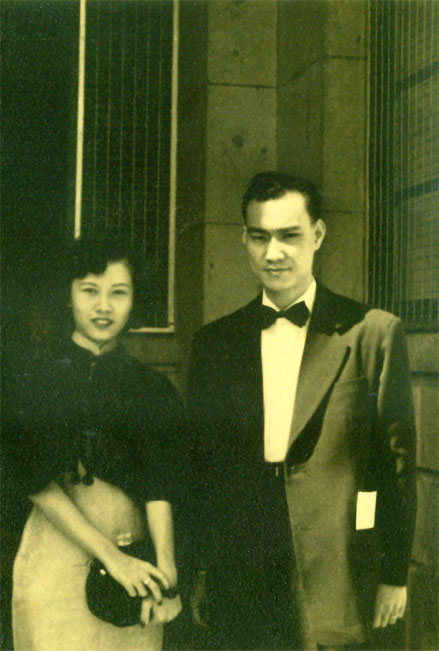
Thumbnail: My grandparents

When I was young and it was sum­mer, my mater­nal grand­par­ents would come from Hong Kong to babysit me. It was a strange time in my life, what I con­sid­er my fetal years when I don’t remem­ber learn­ing any­thing, or hav­ing any aware­ness of my own con­scious­ness.

My grand­fa­ther was a strong, intel­li­gent, lov­ing, gen­tle man, and my biggest hero. He showed me his war wounds, and taught me about states of mat­ter. I even learned the term “civ­il war” from him when he used it (in English!) one time when some old black-and-white footage of Chinese bat­tles came on the TV, but his English was­n’t great so I thought he was say­ing, “zero war”.

He was my favourite per­son in the world because he gave me the atten­tion and stim­u­la­tion I nev­er got from my par­ents.

In one of those sum­mers, I stole his cig­a­rettes, two at a time so he would­n’t notice, and hid them in the com­part­ment of a red and white chil­drens draft­ing table. It was my way of get­ting him to stop smok­ing.

One time, I heard my grand­par­ents shout­ing in the kitchen. They were fight­ing. My grand­moth­er accused him of pee­ing on the toi­let seat. It was the first time I heard them raise their voic­es at all, let alone at each oth­er. I thought it was strange because at that age I was prob­a­bly pee­ing all over the toi­let seat, and no one ever yelled at me for it, so I did­n’t under­stand why it was such a big deal.

My aunt and uncle were over because they want­ed to spend time with them, and they came to see what the com­mo­tion was about. But they just stood there, lis­ten­ing, not want­i­ng to take sides.

Eventually, my grand­fa­ther slow­ly bent at the knees, his entire body sag­ging, buried the heels of his hands in his eyes to rub out the tears, and said to my aunt and uncle with lan­guish­ing paus­es, “Sometimes, she makes me want to kill myself”.

And I knew he meant it.

I was too young to even be shocked, but for my grand­fa­ther to say some­thing like that was com­plete­ly out of char­ac­ter. He was invin­ci­ble to me. I nev­er under­stood it.

Until now.

Eventually, he went to live with my aunt and uncle for a while. They slow­ly became warmer when they saw each oth­er a few weeks lat­er. I don’t know if they ever talked about it.

I'm upgraded daily all my wires without traces

Found these songs today:

I’ve been feel­ing bet­ter. I don’t know why. I can’t fig­ure it out. I did­n’t do active­ly do any­thing to fix myself.

Maybe it was Audra singing a verse on my answer­ing machine, and promis­ing to leave me a whole song some day. Or the fact that I was out of the house when the sun was out for the first time in as long as I can remem­ber. Or even writ­ing it all down and final­ly get­ting it off my chest, because explain­ing it forces me to ratio­nal­ize things and view them objec­tive­ly, instead of with a bias of depres­sion.

It kind of scares me. I have a feel­ing this depres­sion comes as eas­i­ly as it goes.

Lately, the only thing I feel like doing is writ­ing and prac­tic­ing my ukulele, but I’m just glad I want to do some­thing.

29 4/12: The Mask

Man can­not cast off this mask; it is a pro­jec­tion of his own flesh and spir­it. He can no longer remove from his own face this mask which has already grown like skin and flesh so he is always star­tled as if dis­be­liev­ing this is him­self, but it is in fact him­self. He can­not remove this mask, and this is agony. But hav­ing man­i­fest­ed itself as his mask, it can­not be oblit­er­at­ed, because the mask is a repli­ca of him­self. It has no will of its own, or one could say it has a will but no means of expres­sion and so prefers not to have a will. Therefore it has left man with an eter­nal face with which he can exam­ine him­self in amaze­ment.

—Gao Xingjian, Soul Mountain

Self portrait at 29 4/12


I turn 30 in eight months, and I still don’t know if I’m the per­son who smiles, or the per­son who hides behind the smile.

The Turning 30 Series

Understanding Suicide

I gen­er­al­ly don’t talk about sui­cide. I don’t dis­cuss my bat­tle with any­one, aside from close friends, because it makes most peo­ple uneasy. I nev­er used to under­stand that because it did­n’t scare me. Suicide is a choice — a con­scious deci­sion — and a con­scious deci­sion can’t be scary. But more recent­ly, I found myself feel­ing over­whelmed, then afraid I would make a real­ly big mis­take.

That fear has kept me alive. Admittedly, I’m still try­ing to under­stand these thoughts in myself.

There have been a few high pro­file sui­cides in the news late­ly. When mak­ing a state­ment about his son’s death, Walter Koenig said “If you’re one of those peo­ple and you feel you can’t han­dle it any­more, you know, if you can learn any­thing from this, it’s that there’s peo­ple out there who real­ly care.” Then his wife added, “All the peo­ple up here, from the police to his friends, have shown love which he didn’t real­ize was avail­able to him.”

Their words show a very com­mon fun­da­men­tal mis­un­der­stand­ing about the rea­sons some­one has for tak­ing their own life.

You think love can fix us? You think it mat­ters that you care?

The very nature of sui­cide is that a sui­ci­dal per­son does­n’t believe there’s any hope. If we felt like there was some­where to turn, some­one who could help1, that would imply there was hope. And if there was hope, they prob­a­bly would­n’t com­mit sui­cide.

We know you care, and we appre­ci­ate it when you tell us. We know how lucky we are to have the friends we do. But none of that helps. Suicide does­n’t nec­es­sar­i­ly result from a lack of exter­nal love. It can come from a lack of inter­nal love, when we hate our­selves, or because our thoughts or prob­lems seem too dif­fi­cult to bear.

Sometimes I get advice about how to fix the issue, almost always from peo­ple who have nev­er been sui­ci­dal. They think it’s a sim­ple prob­lem, and that we can just stop think­ing about it and it’ll go away. Or we just need to find a hob­by to dis­tract us. Or find a pas­sion to give us a rea­son to live. They don’t under­stand that sui­ci­dal thoughts are like a pho­bia — an irra­tional fear. You can’t eas­i­ly fix irra­tional thoughts. They’re irra­tional because they don’t fol­low log­ic. Otherwise, you’d be able to cure some­one’s arachno­pho­bia sim­ply by explain­ing to them, “Spiders are small and most can’t hurt you”. A per­son with arachno­pho­bia knows that fact, and under­stands it per­fect­ly, but put a spi­der next to them and they’ll be filled with uncon­trol­lable anx­i­ety.

Relate that back to sui­ci­dal thoughts: try­ing to ratio­nal­ize things to a sui­ci­dal per­son by say­ing, “You have so much to live for”, is just as inef­fec­tive. Someone may have a reward­ing career, a won­der­ful fam­i­ly, and good health, but none of that per­me­ates the mind when suf­fer­ing from a men­tal issue. The depres­sion is irra­tional, and sui­cide isn’t the easy way out, it becomes the only way out.

From my own per­son­al expe­ri­ence, the worst things you can do when han­dling a sui­ci­dal per­son are:

  • wor­ry­ing or get­ting uncom­fort­able — it puts pres­sure on us and makes us feel worse
  • get­ting angry — it only makes us with­draw more and com­mu­ni­cate less, and com­mu­ni­ca­tion is one of the few out­lets we have left
  • telling them it would be a self­ish deci­sion — when some­one is ready to kill them­selves, they real­ly don’t care and mak­ing them feel guilty is not the answer

The best things you can do for them are:

  • giv­ing them space — we need to han­dle things on our own terms and at our own pace, not yours, and the last thing we want is to feel like we’re incon­ve­nienc­ing you
  • show­ing that you care, not just telling them — ran­dom flow­ers, text mes­sages, hugs, poems (but back off if you’re told that you’re smoth­er­ing)
  • under­stand­ing that get­ting bet­ter is a long-term process, and not always per­ma­nent — we rely on your patience and under­stand­ing to get through it, and there may be regres­sions
  • nev­er, nev­er, nev­er turn­ing down a chance to talk or hang out if they ask you — noth­ing makes us sink deep­er in our frag­ile states than to feel like we aren’t impor­tant enough (we would­n’t ask if we did­n’t need to)

By no means am I sui­ci­dal right now, but yes­ter­day I con­sid­ered, and came as close to it as I’ve ever been. That was enough to scare me into the real­iza­tion that I need help. Perhaps I’m for­tu­nate enough to say that I under­stand how irra­tional these feel­ings are, and I know that I need to dis­ci­pline, prac­tice, effort, and sys­tem­at­ic obser­va­tion to fix myself.

  1. Which is very dif­fer­ent from some­one who wants to help. []

The Downward Spiral

With Defectiveness, you feel inward­ly flawed and defec­tive. You believe that you would be fun­da­men­tal­ly unlov­able to any­one who got close enough to real­ly know you. Your defec­tive­ness would be exposed.

As a child, you did not feel respect­ed for who you were in your fam­i­ly. Instead, you were crit­i­cized for your “flaws.” You blamed your­self — you felt unwor­thy of love. As an adult, you are afraid of love. You find it dif­fi­cult to believe that peo­ple close to you val­ue you, so you expect rejec­tion.

Depression is some­thing I’ve strug­gled with my whole life. I have so much bag­gage. So many men­tal issues. It makes me won­der, “Who would want to be with me?” I can’t see how any­one would want to deal with it all if they tru­ly knew what goes through my head. The thought of it makes me more depressed, which makes me feel more dam­aged, which makes me more depressed, and every­thing gets worse and worse.

I’m try­ing to break the cycle, but I feel inca­pable of lov­ing myself. It’s so much eas­i­er to love oth­er peo­ple. And when I can’t love myself, I can’t see how any­one else could love me either.