
Hong Kong is commonly divided in two — Hong Kong Island and Kowloon Peninsula — by Victoria Harbour. One of the most iconic ways to travel between the two sides is by Star Ferry. It’s a popular and picturesque method of transportation, because it’s inexpensive (about $2.2 HKD or $0.30 CAD for a one-way ride) and allows for a great view of Hong Kong’s famous skyline. A fleet of 12 ferries carries 70000 people a day, even though there are many cross-harbour tunnels and bridges that have been built to allow for automobile transportation. The ride takes about 10 minutes, including boarding and alighting.
Yearly Archives: 2009
Blending In As A Local
When I tell the taxi drivers here the name of the street I want to go to (pronounced from memory because the names are too complicated to understand), they don’t always know how to get there. That’s why I always have the name of a popular landmark in close proximity memorized, and when I mention this, it usually gets me where I want to go. Sometimes I get a part-time cabbie though, who doesn’t even know where this landmark is. That’s when they ask me how to get there, or what else is around, or if it’s close to such-and-such-a-place adjacent to such-and-such-a-street. Somehow, they assume that I’m a local.
Which is odd, because I know I have an English accent when I speak Chinese, so I assume most people can tell I’m not from around here. When I was here five years ago, most people said they knew I wasn’t from Hong Kong before I even opened my mouth. Something about the way I looked or dressed or acted.
Guess I’m fooling someone now.
Hong Kong Food Diary: Week 2
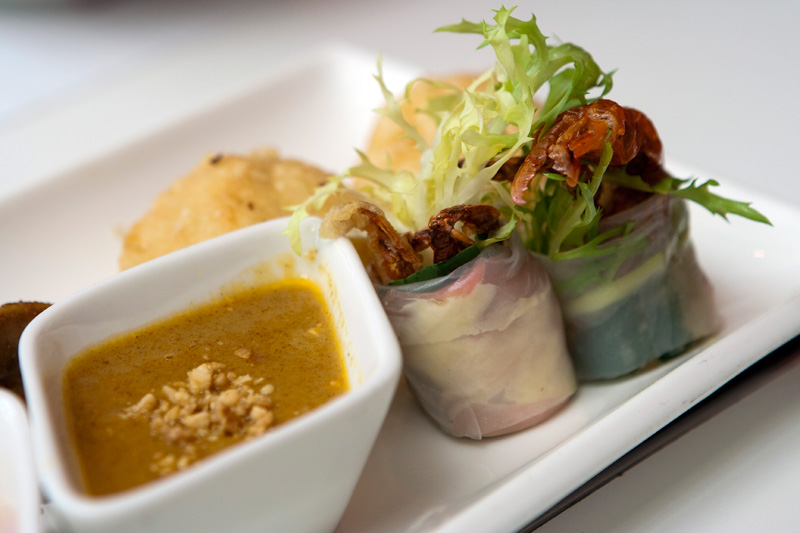
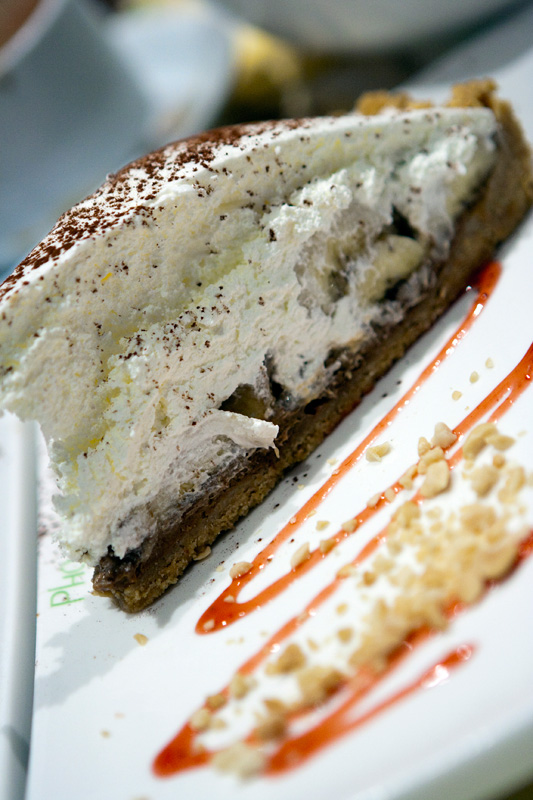


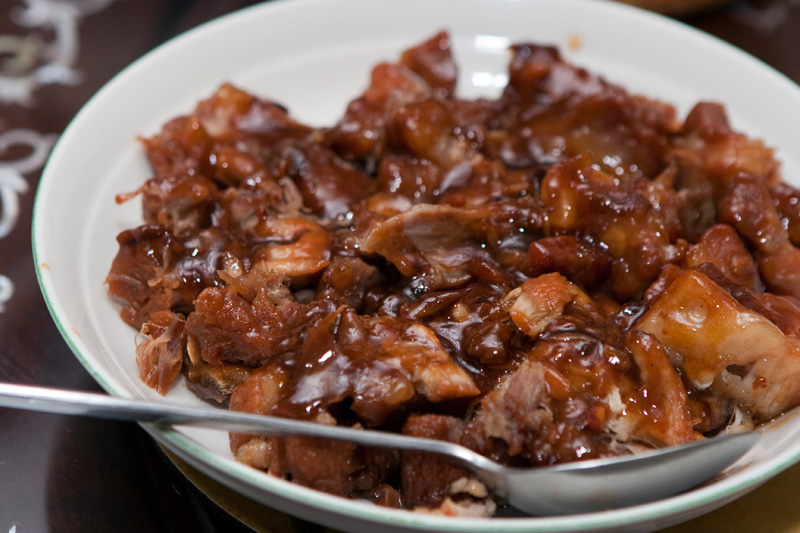
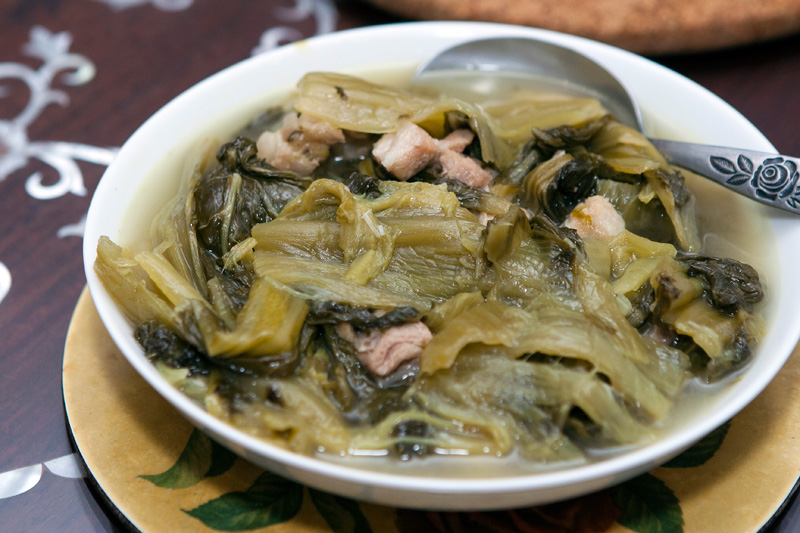
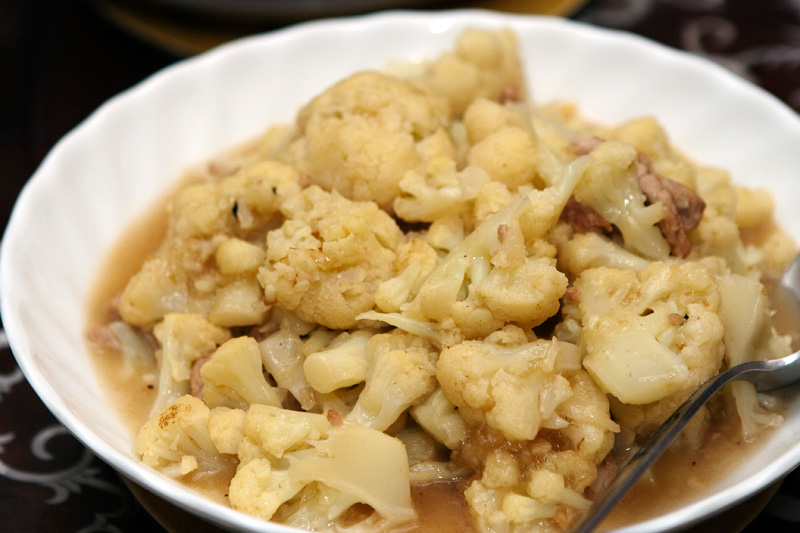
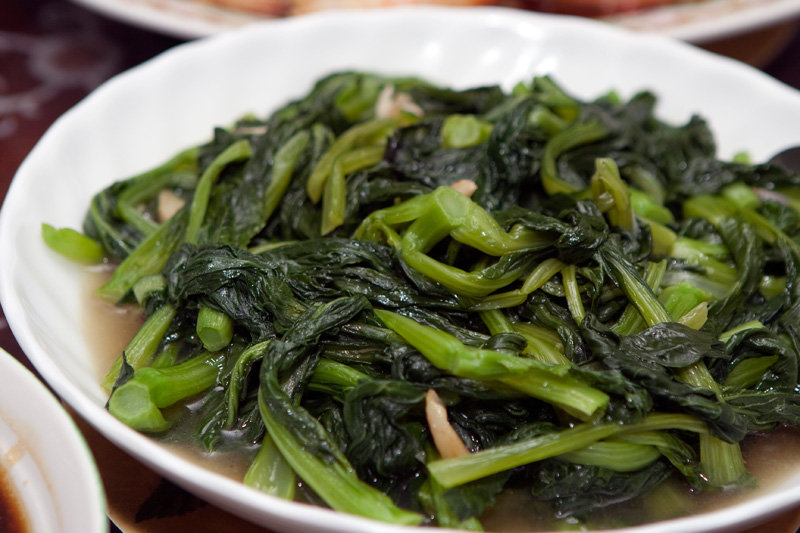


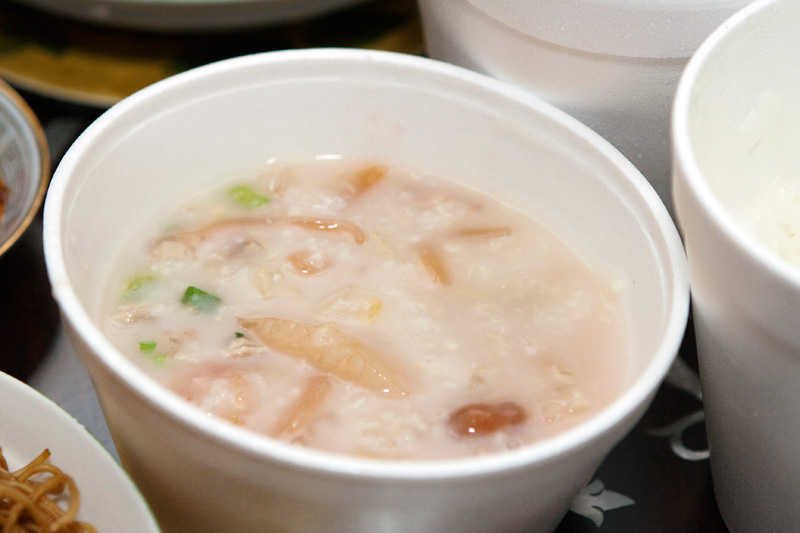
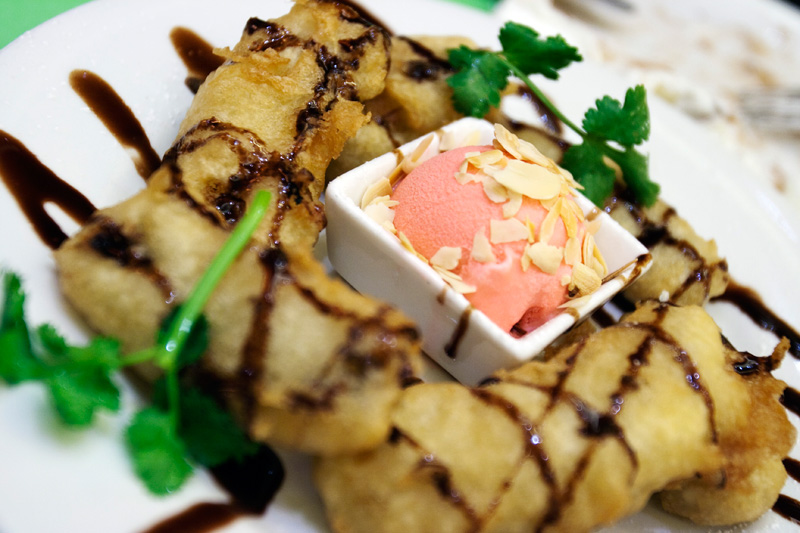


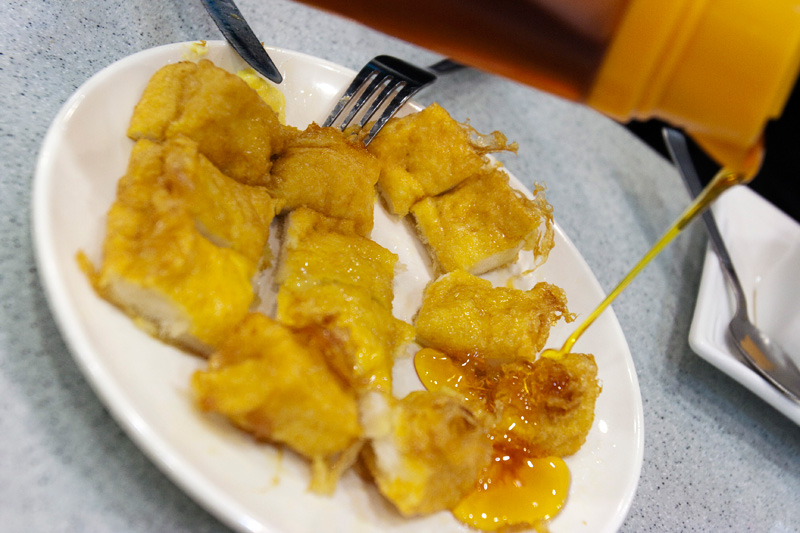

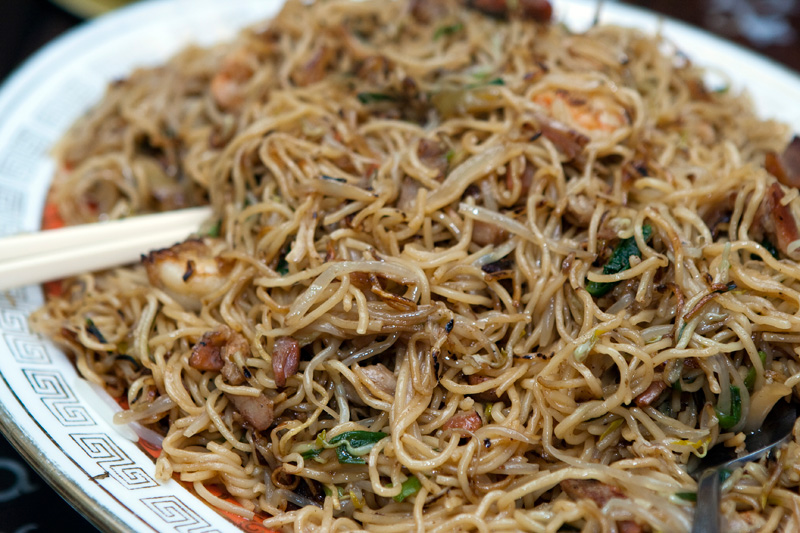


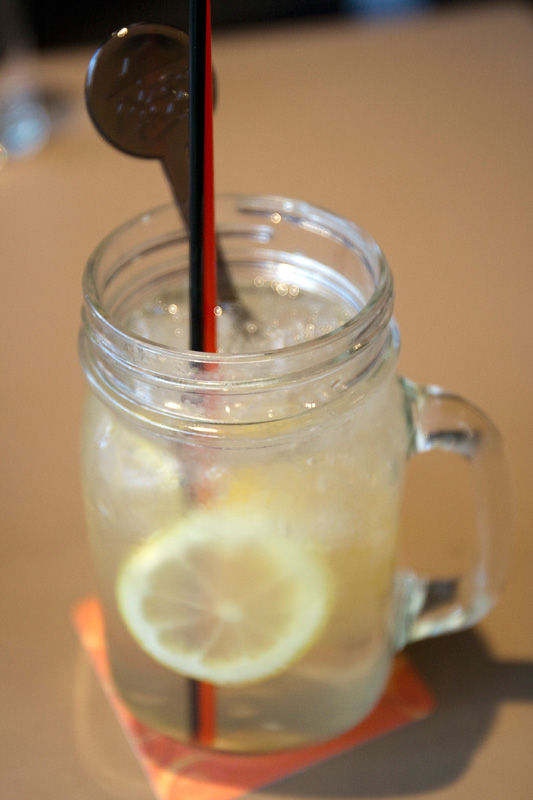
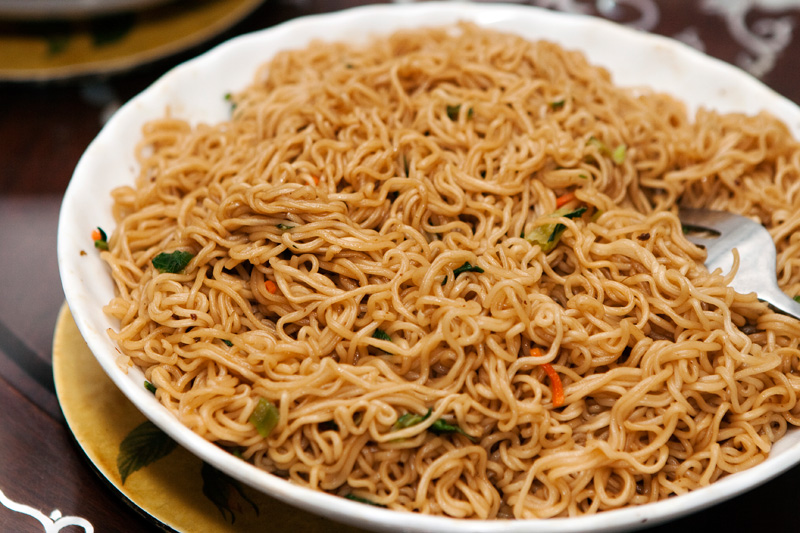
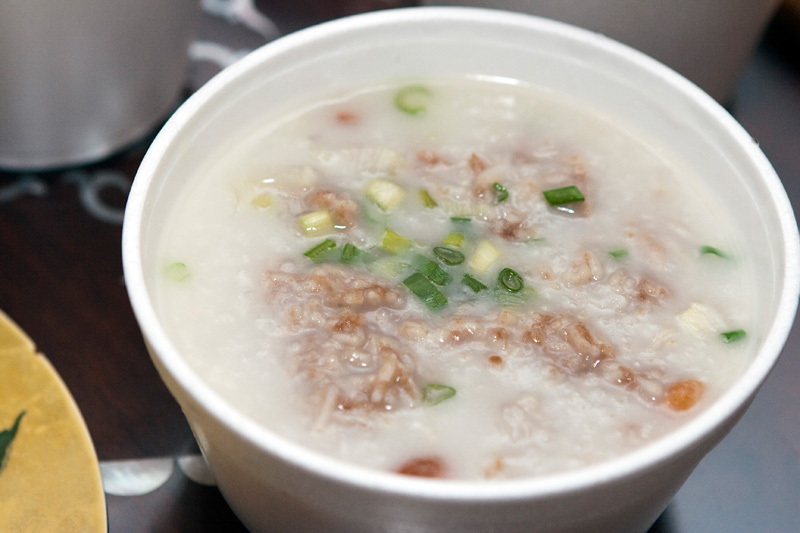
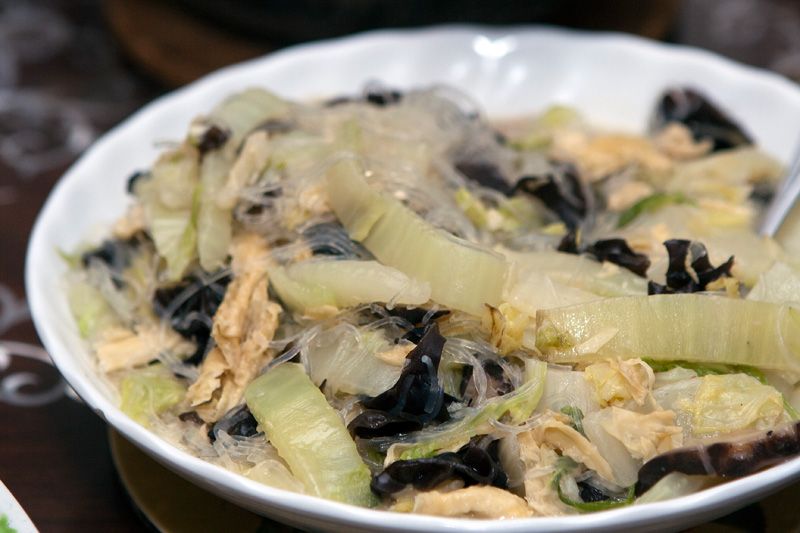

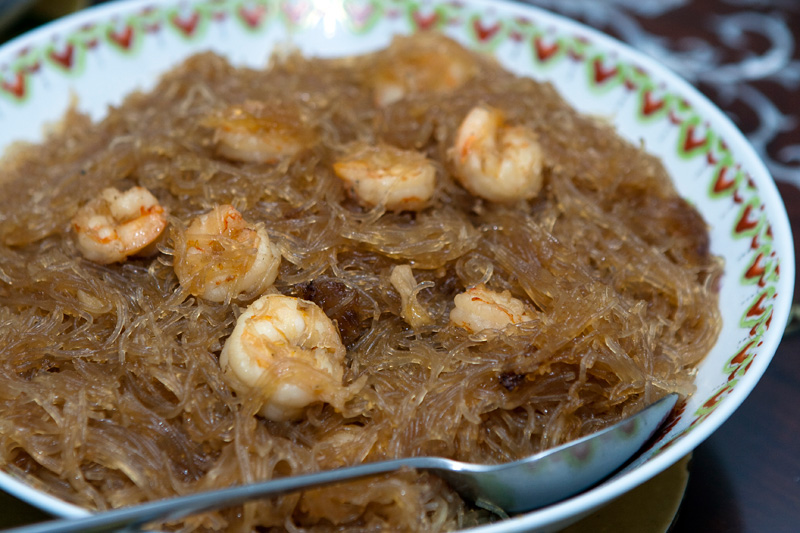

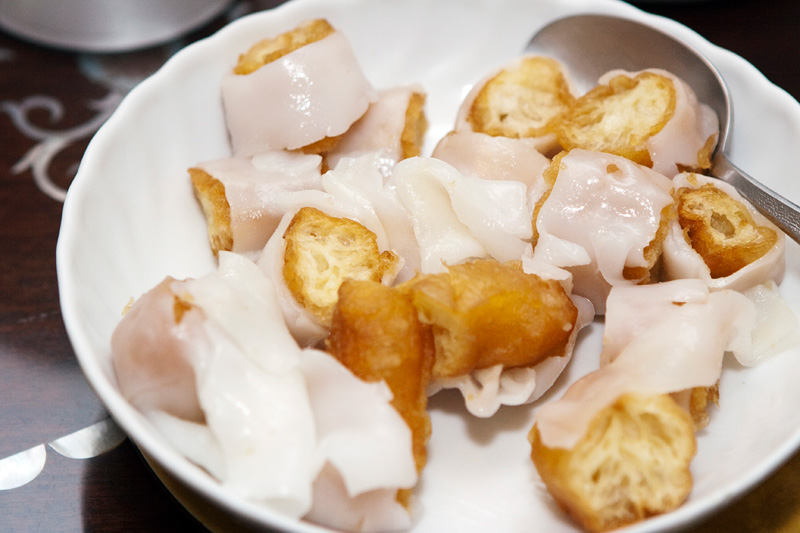

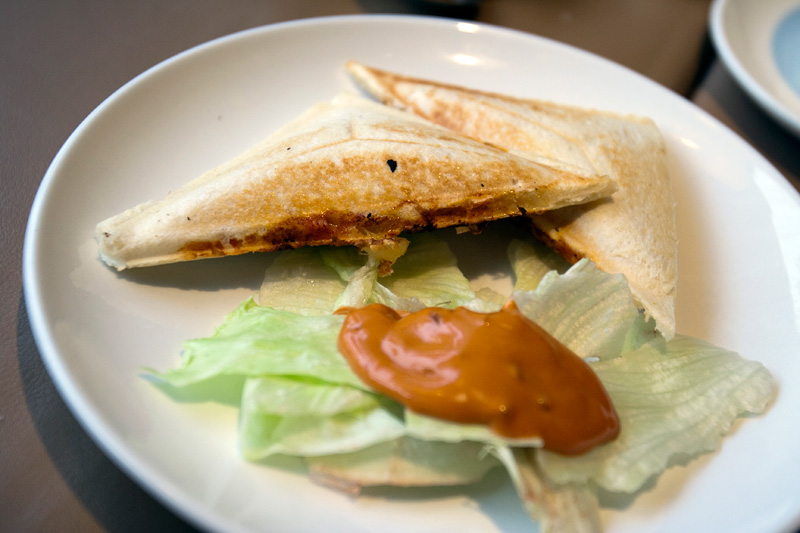


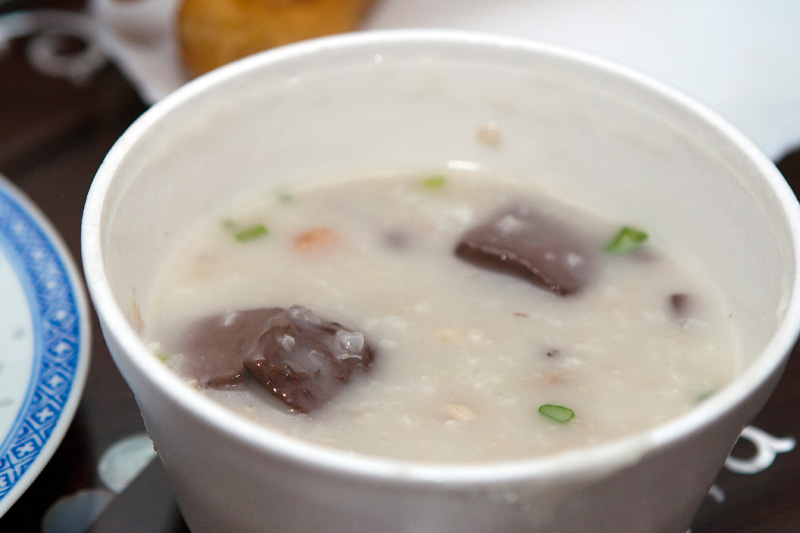


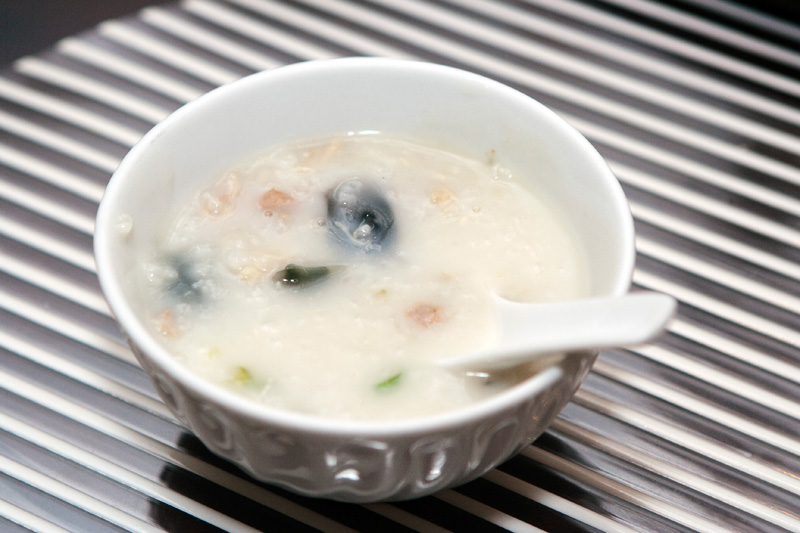

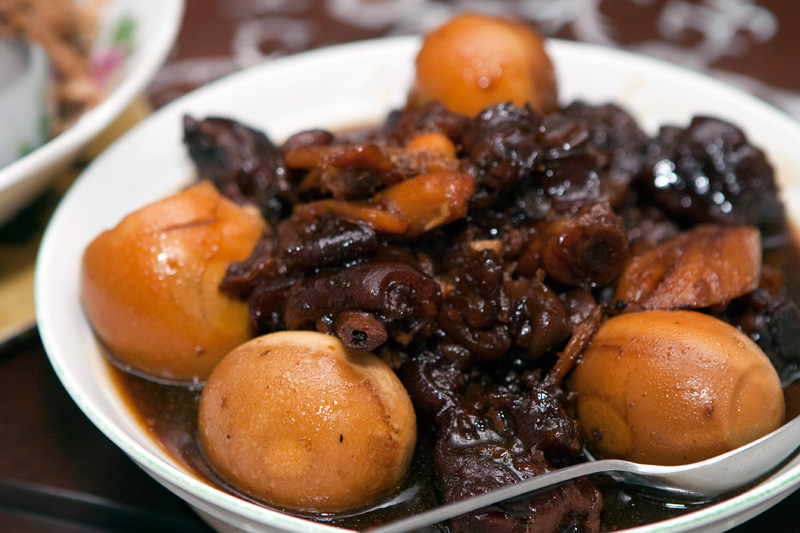
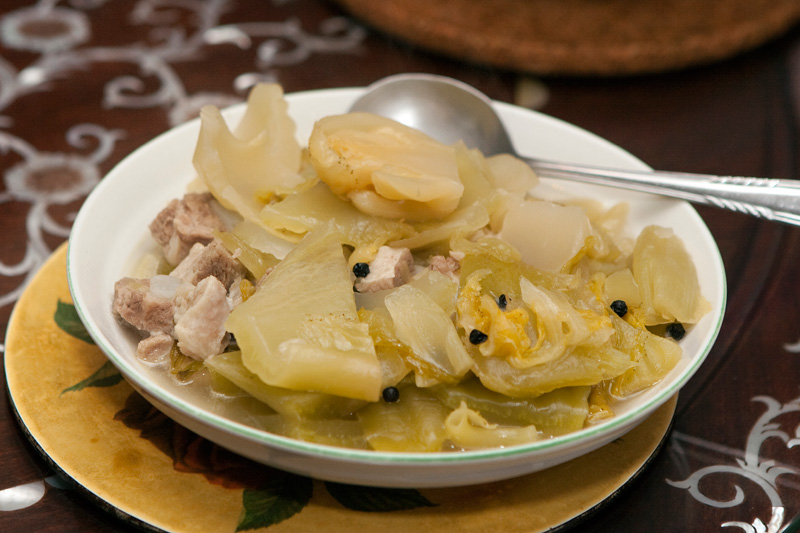
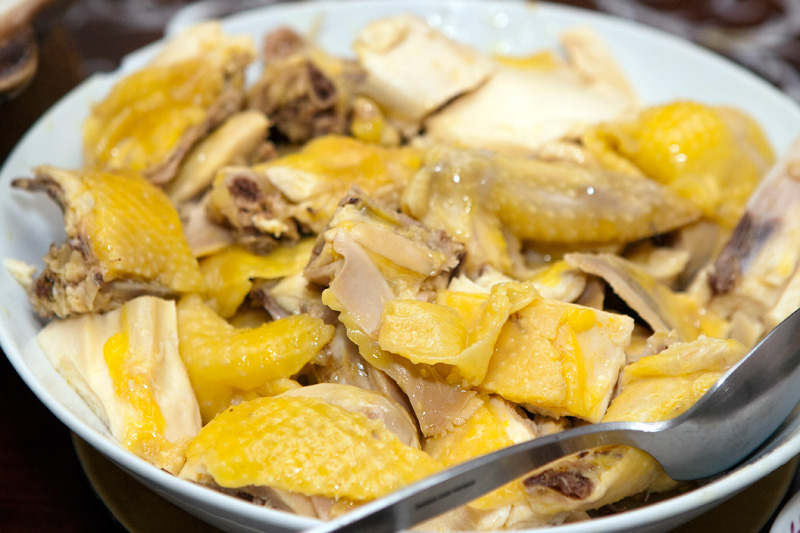
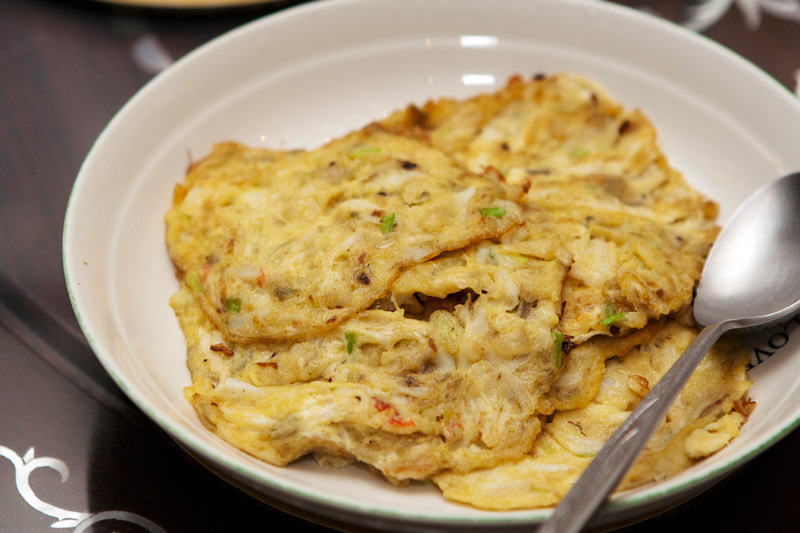
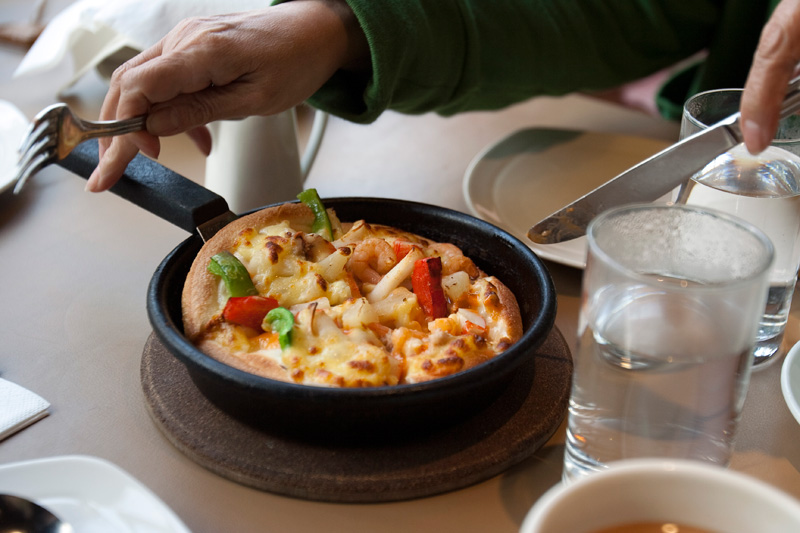





My cousin brought over some Japanese apples that cost $90 HKD ($15 CAD) for a pair. They were light green and quite large, but they didn’t taste that unique. My uncle believes the cost comes from the way the apples are grown: all the branches but one are cut from the apple tree, so all the nutrients go into one apple.
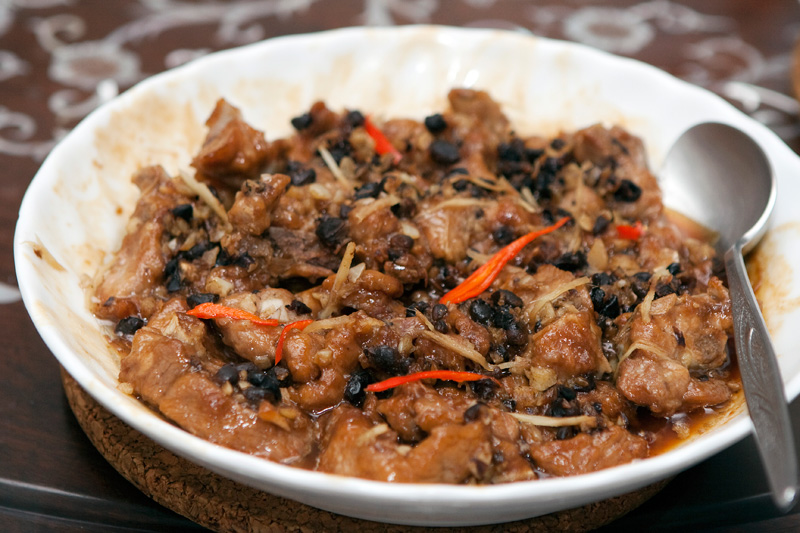
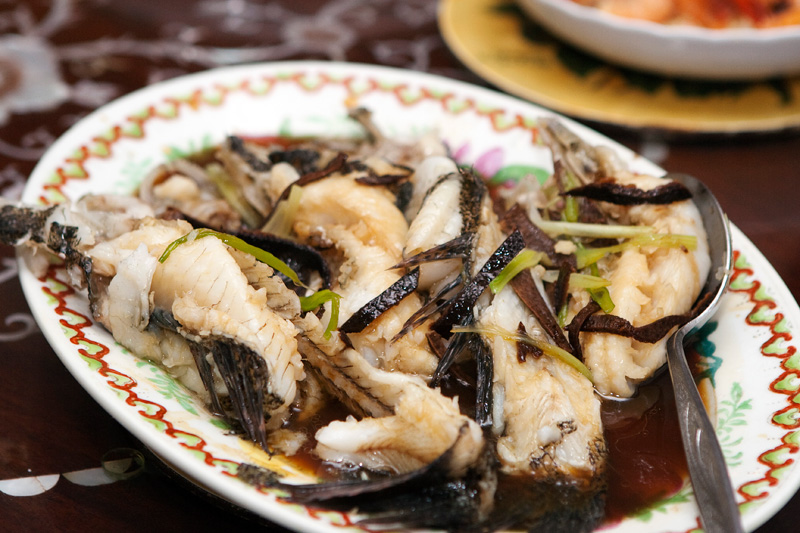
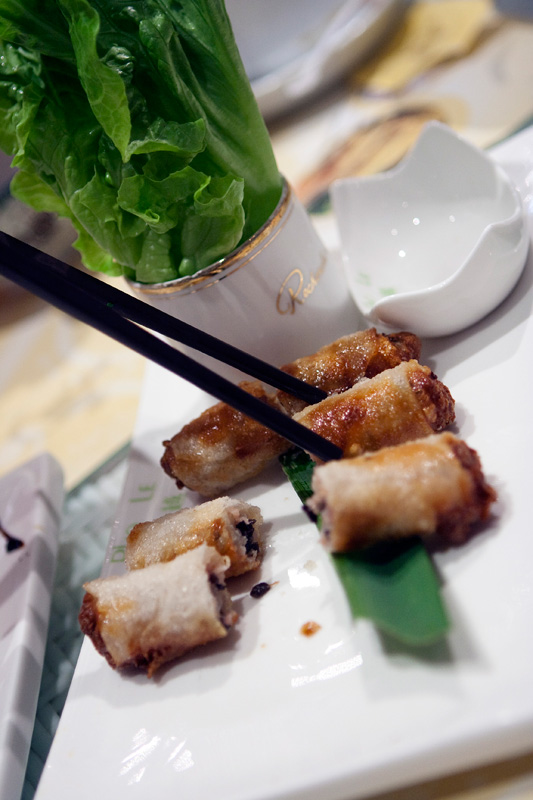
I’m so glad my family knows how to eat; I get to partake in all the amazing food they buy or cook. Even snacks — cookies, candy, ice cream, and drinks — are of a particular quality. I’m wondering how much weight I’ve gained so far.
Other weeks in my Hong Kong Food Diary
Finding Love For Two Bachelors
The fact that my dad and I are the eligible bachelors in the family means we get a lot of advice around the dinner table. They bring up available women. Friends of friends, daughters of dance partners, or this-person-I-know.
It’s strange to come upon the sudden realization that my dad and I are at the same point in life. Does that make me old, or him young?
They ask us our tastes: Looks? Personality? Older or younger? I say, “Money”, but they know me well enough to know I’m joking. A joke to hide my answer, for to reveal myself in this way is to expose a certain vulnerability. So they sidestep the question and ask me if I’m after anyone, thinking that if I describe a person I’m interested in, they’ll be able to figure out what I’m looking for. It’s complicated, I think to myself, so only reply with a “No”. They ask me if there’s anyone after me. “No”. That’s even more complicated.
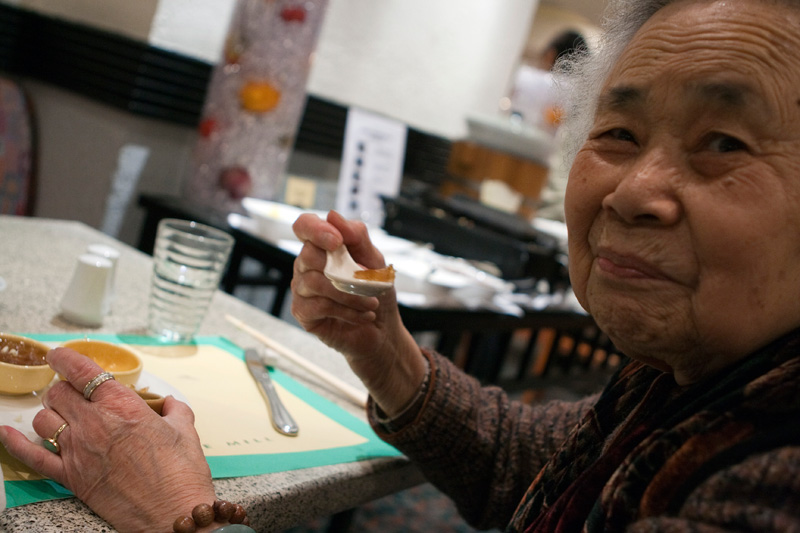
Last week, my grandmother asked me how old I was. “28”, I told her. “Already! You’re almost 30. It’s time for you to get married.” She says if I stay in Hong Kong all the girls will be after me because I have some kind of gentleman scholar look. My dad too; he’s the man’s man, who’s always been fun and popular. And we have Canadian passports. Apparently, we’re in demand.
But they also want to make sure we’re not getting involved with the wrong type of women. Someone who will take our money once we’re married, or force alimony once they trap us with children. They tell us to keep an eye on each other. I say that my dad doesn’t need my approval if he wants to get married, but I don’t need his approval either. So they tell us to bring our girls to meet them, to be sure they’re okay.
I wonder; is love this easy for other people? Something others can control, when I can’t control it myself?
Nan Lian Garden and Chi Lin Nunnery
Nan Lian Garden


Nestled in the concrete jungle that is Hong Kong is Nan Lian Garden, a newly-built park that features distinct greenery and buildings. The architecture was modeled after classical Chinese buildings, and constructed using wood that is interlocked in a way that no nails or glue are needed. One thing that I noticed was that it was very quiet inside the garden grounds, when most of Hong Kong has the constant sound of traffic (unless you’re on a mountain). It turns out that sound-dampening barriers around the perimeter have been erected to create the peaceful atmosphere. It’s quite amazing to see skyscrapers so close and all around, when there is such a calm place here. There must be a tremendous amount of labour involved in keep such a place, as guards, gardeners, and grounds keepers were always around. I wish Julie was there; she would appreciate the horticulture so much more than I could.
There’s a dress code, designated eating areas, and visitors aren’t allowed to take group photos, so as to not disturb others trying to enjoy the surroundings. More places need to implement rules like this.
Unfortunately, the areas of scale models and examples of interlocking wood were not allowed to be photographed. I tried to do so surreptitiously and shoot from the hip when the guard wasn’t looking, but the photos didn’t turn out.
Chi Lin Nunnery


The Chi Lin Nunnery is a Buddhist temple directly attached to the Nan Lian Garden. Most of the areas were off-limits for photography, and unfortunately, a picture is the only way I could describe the many colours and statues in each of the shrines. One thing to note were the many bowls of fruit at each shrine, unlike Taoists or other non-Buddhists, who also offer meat because they’re not vegetarians.
It’s interesting to see people kneeling by each shrine and bowing their heads three times, even when they’re not Buddhist. Sort of like making the sign of the cross when entering a church, I suppose.