Posts tagged with "Chinese culture"

A Place To Stay

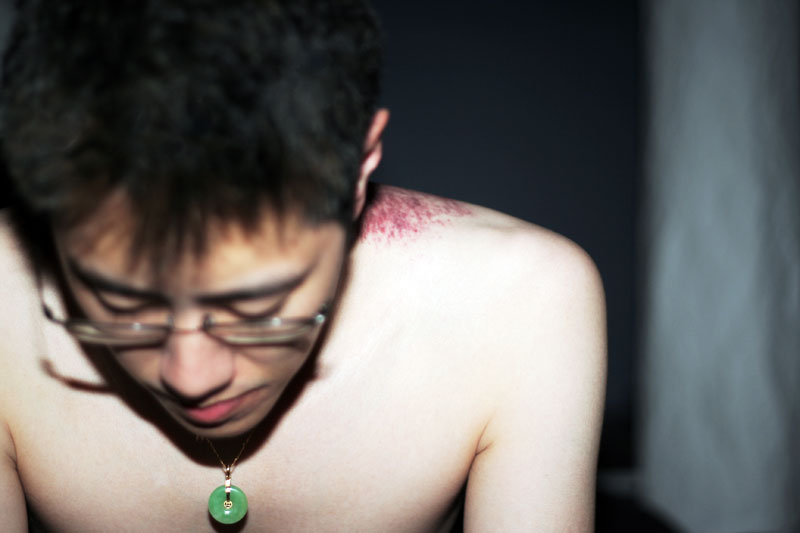
Thumbnail: Scratch sand 1

Thumbnail: Scratch sand 2

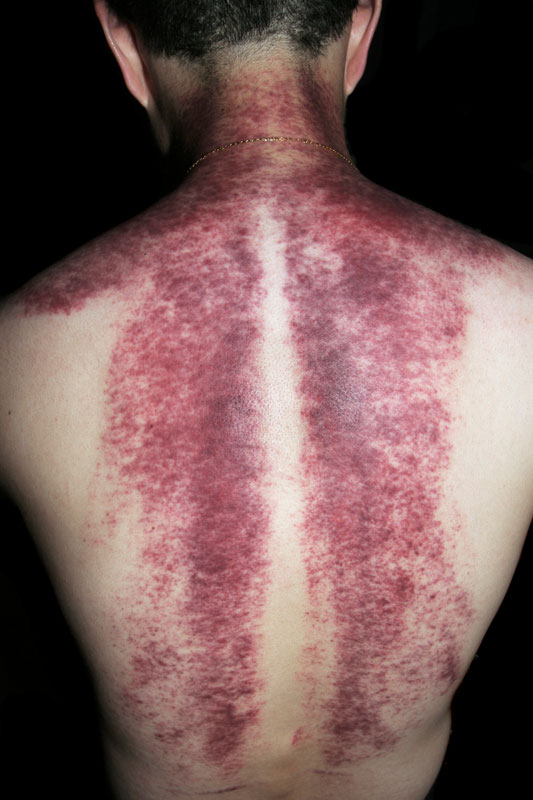
Gua sha, or sand scratch­ing, he calls it.

I’m already sob­bing. The cul­mi­na­tion of anoth­er week of stress and lack of sleep. One dis­ap­point­ment after anoth­er.

With the bowl of a porce­lain Chinese soup spoon, he scrapes the mus­cles along the back of my neck.

This caus­es rup­ture of the small sub-der­mal cap­il­lar­ies (petechia) and may result in sub-cuta­neous bruis­ing (ecchy­mo­sis).

According to Chinese med­ical prac­ti­tion­ers, the inter­nal tox­ins in the blood are released and cir­cu­la­tion is improved.

Before con­tin­u­ing down my shoul­ders, he rubs on some Vic’s VapoRub. It lubri­cates the process, cools the skin to ease the burn­ing dis­com­fort, a mix of east­ern and west­ern tech­niques. The patch he rubs turns a mud­dy mix of red and gar­net, and from this he tells me that I’m work­ing too hard. I have to look after myself bet­ter. Relax every day. Take an hour to exer­cise or walk. The first step to a healthy mind is a healthy body. The colour indi­cates that I have a lot of tox­ins built up in my body.

The dark­er it is, the more it’s sup­posed to hurt, but I feel noth­ing.

I take a sip from the mug that he hands me, full of pale yel­low liq­uid. It burns going down. Flavourless, but maybe that’s just the con­ges­tion.

It’s spicy”, I mum­ble, no longer speak­ing Chinese. It’s too much on my mind. I need to express myself with­out lim­i­ta­tions.

It’s just gin­ger-water. If you can’t take it, you can add some sug­ar.”

I don’t reply. The unas­sum­ing con­som­mé rais­es the inter­nal tem­per­a­ture, killing the sick air. To quell the spasms in my chest, I take slow­er, deep­er breaths. It does­n’t work.

I admire you, uncle. One day I hope to be a father like you.”

He breathes a short but heavy sigh. I can tell that these words pain him more than any­thing else I’ve said. He tells me, in Chinese, “Uncle does­n’t make a lot of mon­ey. I make sure I spend a lot of time at home”.

I like you, uncle. I hope that no mat­ter what hap­pens, we can still be friends.”

No mat­ter what hap­pens, you’ll always have a place to stay with us in Hong Kong.”

A Bittersweet Comfort

Thumbnail: BBQ pork
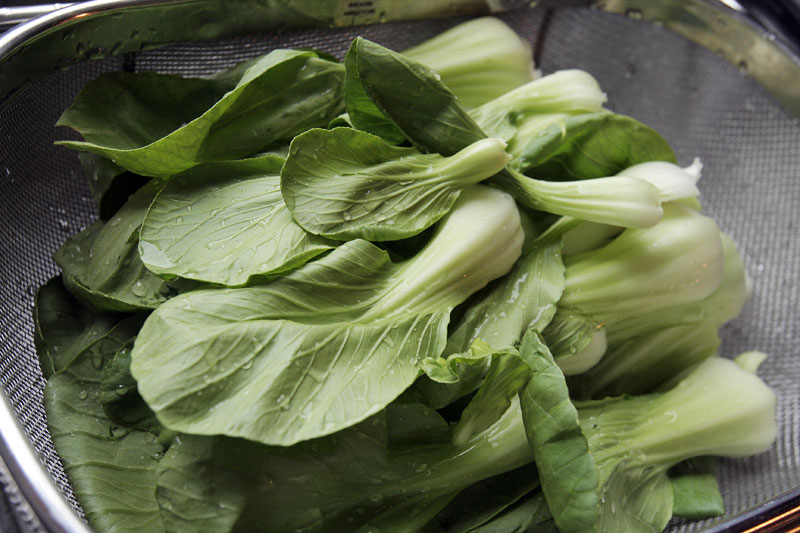
Thumbnail: Washing veggies
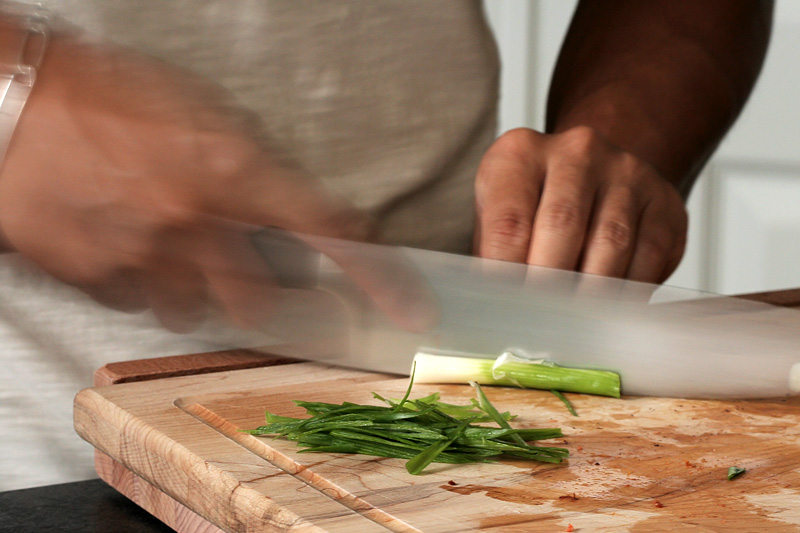
Thumbnail: Cutting onions
Thumbnail: Shiitake mushrooms
Thumbnail: Washed veggies
Thumbnail: Bone China bowls
Thumbnail: Soup close-up
Thumbnail: Soup extreme close-up

A bowl of egg-noo­dles, with bar­be­cue pork, shi­itake mush­rooms, shrimp, car­rots, bok choi, and green onions in a chick­en broth, is con­sid­ered com­fort food for most Chinese peo­ple. They say that com­fort food soothes the mind by act­ing like an opi­ate, hit­ting the recep­tors in our cen­tral ner­vous sys­tem. We go to it in times of stress, and in addi­tion to keep­ing us full, it keeps us paci­fied.

As Pat and Jen cut, and wash, and cook, they nev­er nib­ble. Everything that’s pre­pared goes into the pot. Not too long, or the veg­eta­bles will lose their firm­ness. With chop­sticks and a spoon, they serve the noo­dle soup in large bowls. One eats from the spoon, which is used to scoop the broth, while the chop­sticks are sim­ply used to put the desired ingre­di­ents on the for­mer uten­sil.

I don’t have meals like this any­more. Chinese food is a com­pli­cat­ed affair. It takes a mot­ley set of ingre­di­ents, most of which is only avail­able on a sin­gle street in this city, so I’m grate­ful for a real home-cooked meal.

Everything about it brings me back to a time when I was a child, liv­ing with my par­ents, liv­ing off Chinese food every day. The con­trast­ing colours of the pork against the noo­dles. The full aro­ma. The savoury taste of broth. Even the dul­cet slurp of noo­dles.

If only my child­hood was worth remem­ber­ing.

This Is How They Love Me

Thumbnail: Shirt and tie

With presents that come fold­ed to per­fec­tion, boxed in white wrap­ping paper, and spe­cial wash­ing instruc­tions. This is the safest gift for some­one my age, unlike the guess­ing game that music, toys, or games has become.

This spe­cial­ly processed, pure cot­ton fab­ric is designed for easy care and a crisp, con­fi­dent look that lasts. The soft­ness, absorben­cy and breatha­bil­i­ty of cot­ton, enhanced with inno­v­a­tive care fea­tures, ensure opti­mum wear­a­bil­i­ty. Engineered for no-fuss, express han­dling. Requires almost no iron­ing. Today’s quin­tes­sen­tial busi­ness shirt: time-sav­ing, ener­gy-sav­ing, trav­el friend­ly.

We rec­om­mend using a mild deter­gent. Spin briefly, then hang to dry. Gently pull col­lar, cuffs and seams into shape. Touch up with a medi­um iron.

Not that I’m com­plain­ing. If it’s one thing my par­ents have been able to give me, it’s finan­cial free­dom. Never hav­ing to wor­ry about how I’m going to pay for rent, or board, or edu­ca­tion. It’s not easy for Chinese par­ents to show affec­tion, an influ­ence of the cul­ture they grew up in, so they buy me things instead.

I’m the fam­i­ly pet.

The dog they can love and take care of and want around, but not have to actu­al­ly talk to or spend time with.

These are my treats.

No More Tea

Thumbnail: Hong Kong milk tea with menu

Walking in, the first thing to notice is the aro­mat­ic smell of fresh­ly brewed tea that per­me­ates the air.

They wait on us using Cantonese with var­i­ous accents, an assort­ment of dialects from minor provinces. They rude­ly throw the dish­es on the table, and tell me that I can’t take pic­tures of the menu. My par­ents com­plain to me about the ser­vice, about their main­land man­ners, and say that they’ll nev­er come here again.

I slow­ly sip my tea, and leave before it’s half fin­ished. Even on a full stom­ach, I can feel myself get­ting uneasy.

The caf­feine is mak­ing me anx­ious, a sub­tle reminder of the pan­ic attack I suf­fered last year.

It’s been six months since I’ve had a glass of authen­tic Hong Kong style milk tea. No more, I’ve decid­ed.

Saturday morn­ings won’t be the same.

Dim Sum

Thumbnail: Dim sum 1

Thumbnail: Dim sum 2

Thumbnail: Dim sum 3

Outside it’s snow­ing, but inside it’s a clat­ter of carts and dish­es. Dim sum is most­ly seafood, espe­cial­ly shrimp, but the most com­mon ingre­di­ents are oil and monosodi­um glu­ta­mate.

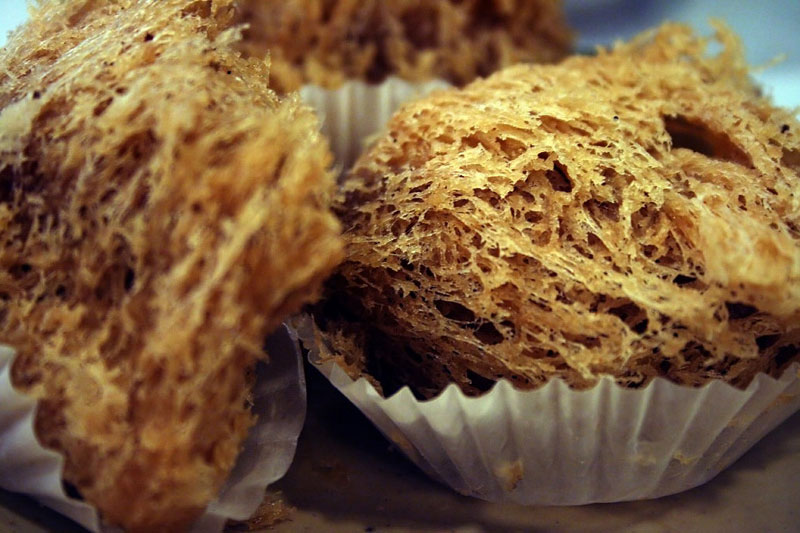
My par­ents go full out with the tripe and the phoenix talons (a euphemism for chick­en’s feet), dish­es that scare most Westerners, and even some Canadian born Chinese such as me. The dim sum here is much bet­ter here than at the restau­rant across the street, they note. The rice-flower skin of the shrimp dumplings is delight­ful­ly smooth and thin, a demon­stra­tion of the chef’s skill. The mooli cakes, made from fried daikon radish­es, taste espe­cial­ly savoury. Even the buns are steamed well and slight­ly sweet.

The praise of my par­ents is a tes­ta­ment to the qual­i­ty of the food. They have the abil­i­ty to find fault with almost any­thing, the root of years of child­hood despon­den­cy and con­fi­dence issues, but today the food is near­ly impec­ca­ble.