Yearly Archives: 2005

Zone

Thumbnail: Kitchen gadgets
Thumbnail: Bowls and placemats
Thumbnail: Brushed aluminum goodies
Thumbnail: Clocks and vases
Thumbnail: Coloured glass
Thumbnail: Desk clocks
Thumbnail: Stir sticks
Thumbnail: Plants with lights
Thumbnail: Salt and pepper shakers
Thumbnail: Shower curtains
Thumbnail: Wall clocks

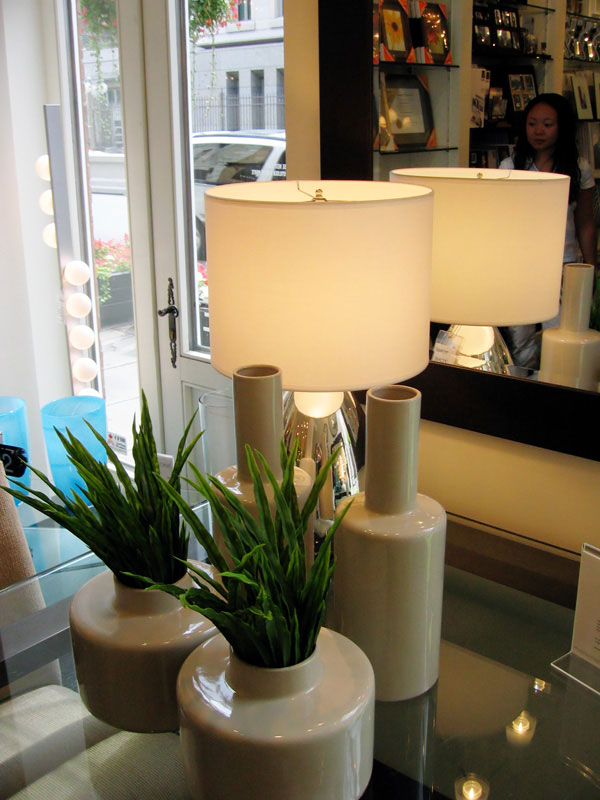
Every time I’m in there, I want to buy some­thing, any­thing. I want uneven, hand-made chop­sticks, and wine glass iden­ti­fiers. Transparent coast­ers that form designs when stacked. Milk frothers. Sushi rolling mats. Designer veg­etable brush­es. Hand-craft­ed Italian mar­ti­ni glass­es. Retro wind-up desk toys.

Slave to the Ikea nest­ing instinct.

Christie Had A Speech Impediment

Her unwit­ting nick­name in high school was Fudd (as in Elmer), because her “r“s came out as baby­ish “w“s.

This was par­tial­ly due to the fact that she would imi­tate her old­er broth­er in admi­ra­tion dur­ing child­hood, after he devel­oped his own imped­i­ment from an oro­fa­cial sports injury. The oth­er, and much more severe, aspect of her imped­i­ment was a ran­dom and sud­den inabil­i­ty to speak. No stut­ter, no slur.

As her speech ther­a­pist explained, it was a short-cir­cuit in the brain, caus­ing her to believe that a sen­tence was fin­ished when she was only half-way through say­ing it. The only prob­lem was that she would get stuck on a word. On good days she sim­ply could­n’t repeat it, on bad days she could­n’t speak at all. Most peo­ple thought it was brought on by a rather trau­mat­ic series of events brought on by her sup­posed friends in high school. The was­cals.

I always found it endear­ing, but she nev­er cared for it. One of the tricks she used to get by was to take her time in say­ing a word. E‑nun-ci-ate. It was like mas­sag­ing the ten­sion from a mus­cle, and slow­ly, she would be able to speak again. Another trick was to imag­ine being in a com­fort zone, which was her room, to relax when she was flus­tered.

I’ve always found that girls share some intrin­sic bond with their rooms. It’s almost as if they’re fol­low­ing an evo­lu­tion­ary nest­ing instinct, and their rooms become their homes. A place to grow and be safe. Along with the care­ful­ly lined-up books and the ran­dom pieces of jew­ellery, the hid­den cache of pho­tos and the pur­pose­ful­ly placed can­dles (some of which must nev­er be lit), are the char­ac­ter­is­tic quirks.

Christie could nev­er fall asleep if one of her dozen stuffed ani­mals were fac­ing her. Her bed­time rit­u­al was to make sure that each one was turned away.

In time, Christie’s com­fort zone became the walk-in-clos­et of my room. She was old enough to make love, but simul­ta­ne­ous­ly too young to stay overnight, so we would spend most of our time in there, the place where we could reach out and feel the walls around us, con­fined to the inti­ma­cy of the enclo­sure. We spread out the blan­ket, lit the can­dles, and closed the door.

After a while, the humid­i­ty would build up, and this was no more appar­ent than in the win­ter when we would crack open the door and tan­gi­bly feel the chill on our skin. Opening the sun she called it, as the day­light sharply spilled on the blan­ket that cov­ered us. It was the only place where we could shut out the world, the only place that felt like night.

In a rela­tion­ship, shar­ing the night is more impor­tant than shar­ing flu­ids. Falling asleep with some­one is an accep­tance of trust, a way of say­ing that we’re com­fort­able enough to drift into our sub­con­scious minds. Perhaps it was the unavail­abil­i­ty of such a rit­u­al that’s giv­en the night so much sig­nif­i­cance.

Having no night of our own, we had to make due. I cov­ered one side of a card­board pan­el with glow-in-the-dark stars and sus­pend­ed it from the top of the room. The pan­el was large enough to fill the vision, and in the dark­ness the clos­et became a micro­cosm of the star­ry sky. Even in the mid­dle of day it was near black­ness, and we’d lose track of time, hud­dled under the blan­kets with her sleep­ing at my chest, or lying there face-to-face, talk­ing while I ran my fin­gers through her hair. Sometimes, all we would do was get togeth­er and nap.

And even­tu­al­ly, Christie did­n’t have much trou­ble speak­ing any­more.

Switching Books

Over the week­end, with the cozy com­fort of my duvet, I fin­ished read­ing the Apprenticeship of Duddy Kravitz. The sto­ry took me by sur­prise. I had no pri­or knowl­edge of the plot, char­ac­ters, or themes, so I had the lux­u­ry of read­ing with­out the taint of anoth­er opin­ion. Even as a teenag­er, Duddy has the ambi­tion to pur­sue his dream of own­ing a huge plot of land before he’s even legal­ly allowed to own it, but he los­es his human­i­ty in the process. It was a fair­ly gal­va­niz­ing sto­ry, some­thing I’m not sure I could say if I knew more about the book before read­ing it. It’s his dri­ve, his ini­tia­tive that I admire.

Yesterday, I start­ed The Republic of Love (on the rec­om­men­da­tion of Karen) by Carol Shields. Even though I’m only through the first chap­ter, I can already tell that Shields knows what she’s talk­ing about. She knows how rela­tion­ships dis­in­te­grate, knows how peo­ple think, knows how our dai­ly lives are a reflec­tion of the moods we have and mind­sets we wear. I’m remind­ed of Khalil Gibran, the Lebanese philoso­pher and author of The Prophet who wrote as if he under­stood love and the spir­it on a com­plete­ly dif­fer­ent lev­el. Even though he nev­er met the love of his life face-to-face (they knew each oth­er through pub­li­ca­tions), their col­lec­tion of love let­ters shows an under­stand­ing and har­mo­ny deep­er than any oth­er two peo­ple I can think of.

It always makes me won­der: how much of an author’s writ­ing is from expe­ri­ence and how much is from imag­i­na­tion? The details, sub­tleties, thor­ough­ness of the char­ac­ters they devel­op, expressed in the inge­nu­ity of the words they use must be from more than mere under­stand­ing. Would Frost have been able to write his rur­al poet­ry with­out mov­ing to New Hampshire, spend­ing his time there as a cob­bler, farmer, and teacher? Would Irving have been able to write from the per­spec­tive of a teacher at Bishop Strachan, with­out first watch­ing the girls in their plaid skirts being picked up by their wealthy par­ents? Even in the pref­ace to A Hero Of Our Time, Lermontov admits, “oth­ers del­i­cate­ly hint­ed that the author had drawn por­traits of him­self and his acquain­tances” and brush­es this off as a “thread­bare wit­ti­cism”, but could he real­ly have cre­at­ed such an amoral anti-hero with­out a lump of burn­ing indif­fer­ence in his chest?

With A More Pretentious Title Than Last?

The new Coheed And Cambria sin­gle (song starts play­ing after the Flash intro) com­plete­ly knocks me off my feet. I sus­pect that the new album will be dark­er, mood­i­er, and even bet­ter pro­duced than their last. I’m not the only one who’s remind­ed of Kashmir by Led Zeppelin, with the chro­mat­ic chord pro­gres­sion and orches­tral back­ing, but the sim­i­lar­i­ties end there.

Can’t wait until September.