Posts in category "Random"

Kwun Yam Shrine

Kwun Yam Shrine entranceway

Thumbnail: Guan Yin Statue
Thumbnail: Tin Hau statue
Thumbnail: Longevity Bridge
Thumbnail: Longevity Bridge plaque
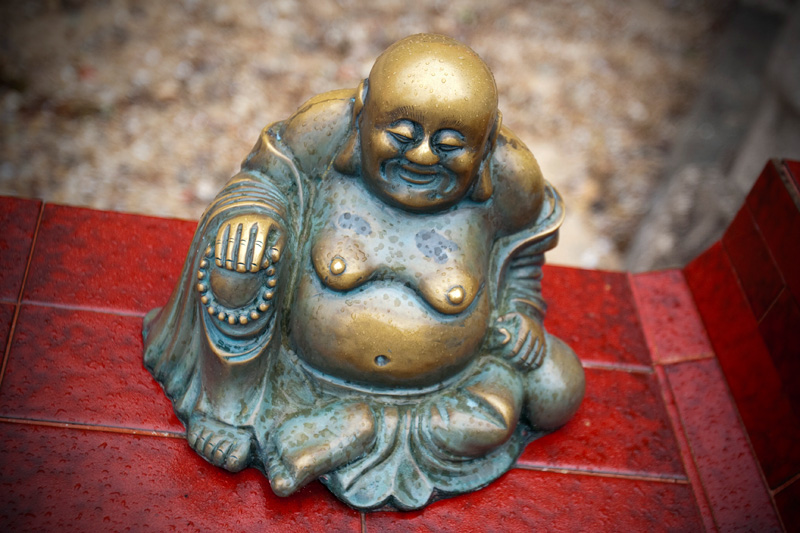
Thumbnail: Buddha of Wealth
Thumbnail: Dragon scholar
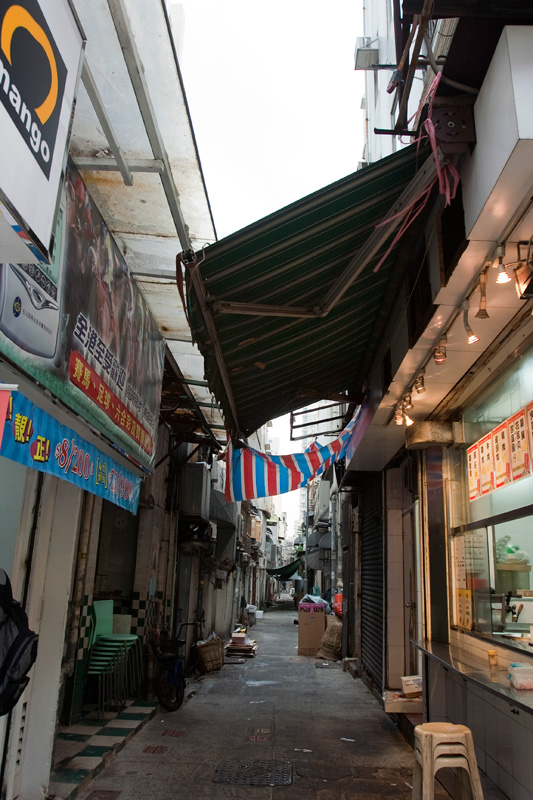
Thumbnail: Alleyway
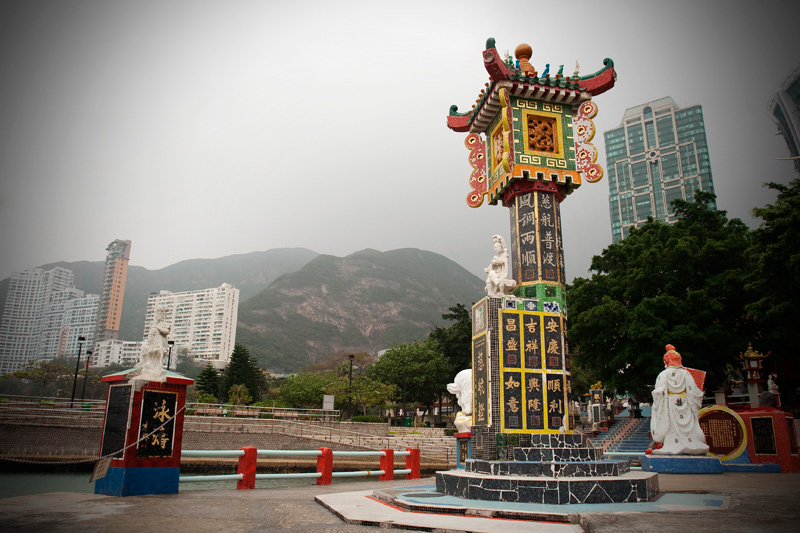
Thumbnail: Pillar
Thumbnail: Seal script
Thumbnail: Small Statues
Thumbnail: Statue pedestals
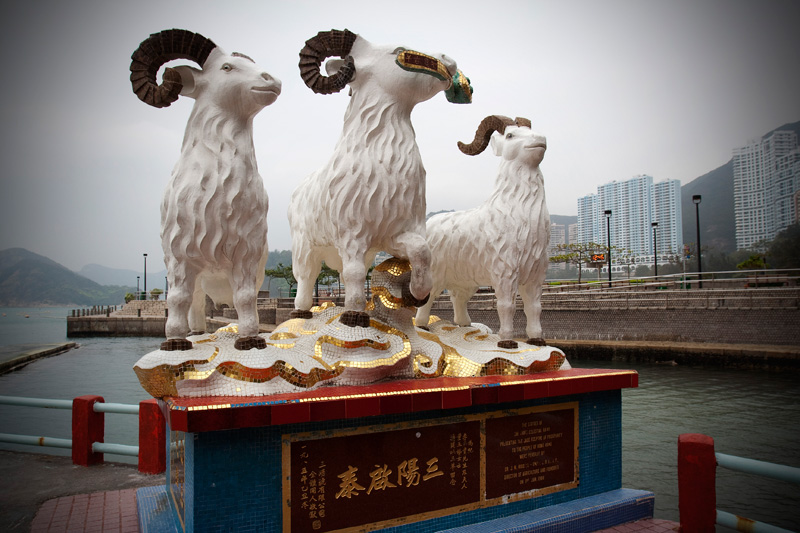
Thumbnail: Three celestial rams
Thumbnail: Yue Lao strings
 

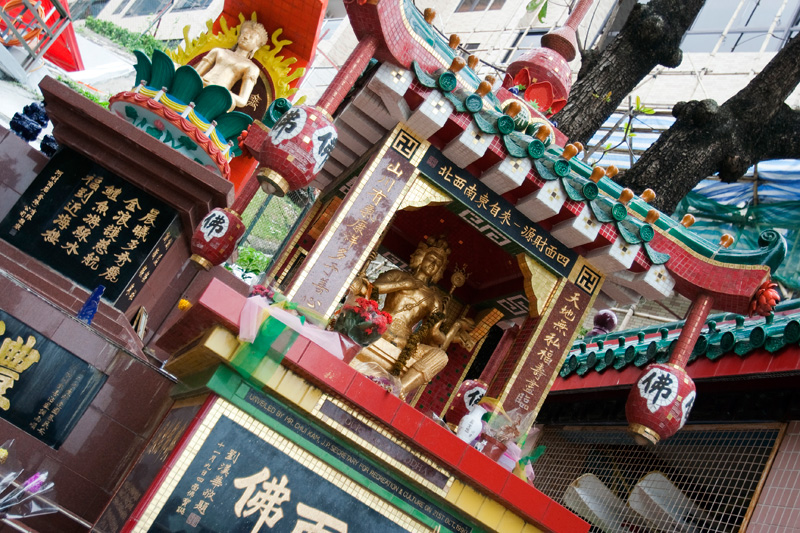
The Kwun Yam Shrine is a Buddhist shrine off Repulse Bay (named so after the British fleet repulsed pirates based there who would ter­ror­ize Chinese mer­chants). Unlike oth­er Buddhist shrines, this one was­n’t off-lim­its to pho­tog­ra­phy. It was quite inter­est­ing, as there are so many dif­fer­ent and colour­ful stat­ues, large and small.

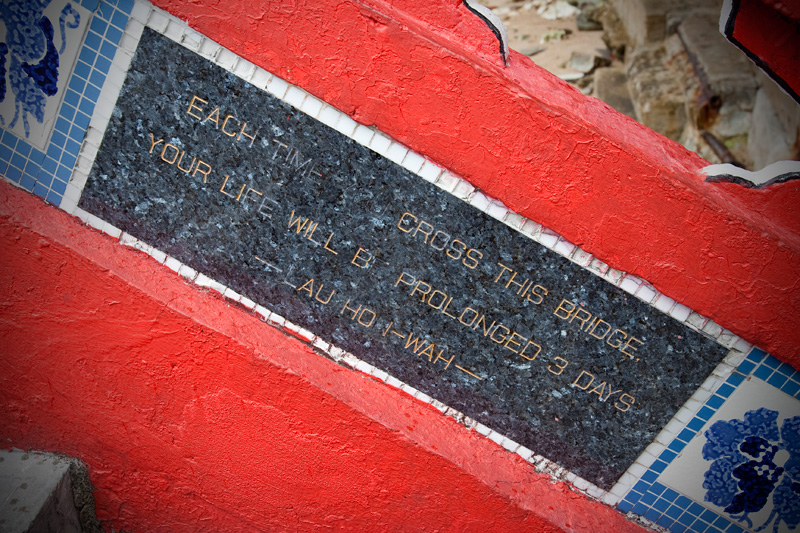
Each stat­ue rep­re­sents a dif­fer­ent fig­ure in Chinese mythol­o­gy, and it’s said that if you per­form a cer­tain action to a stat­ue, some­thing pos­i­tive will hap­pen. For exam­ple, there was the stat­ue of a fish god there, and if you throw a coin into it’s mouth, it’s said you’ll have good for­tune. There’s also the Longevity Bridge; a plaque pro­claims that every time you cross the bridge, you’ll have three days added to your life. The two biggest stat­ues at the entrance — Guan Yin and Tin Hau — were wor­shiped as god­dess­es of the mer­cy and the sea, par­tic­u­lar­ly impor­tant if you’re a fish­er­man.

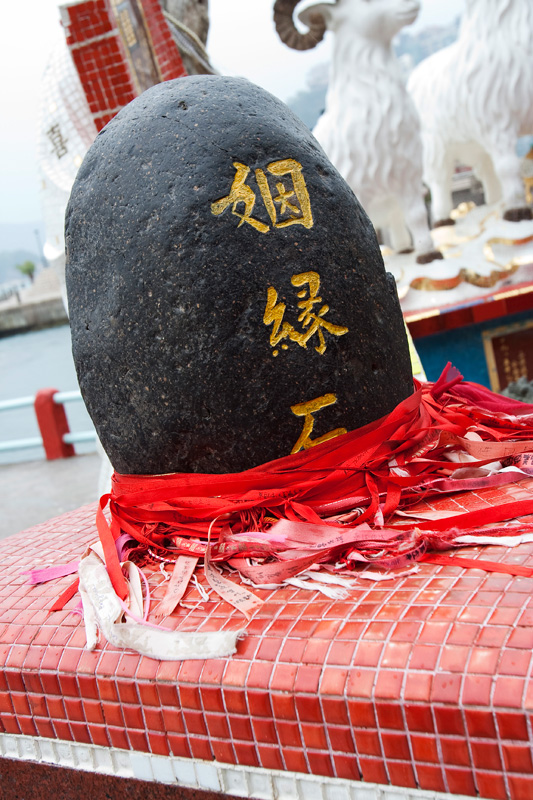
At one point, I came to a stat­ue of a rock with writ­ing engraved on it, and red rib­bons around the base. My dad said, “Jeff, you need to take a lot of rib­bons and tie it around the rock”. “Why?” “Because this is the god of mar­riage. This way you’ll meet a lot of girls.” Funny, dad.

Kowloon City

Old apartments

Thumbnail: Alleyway
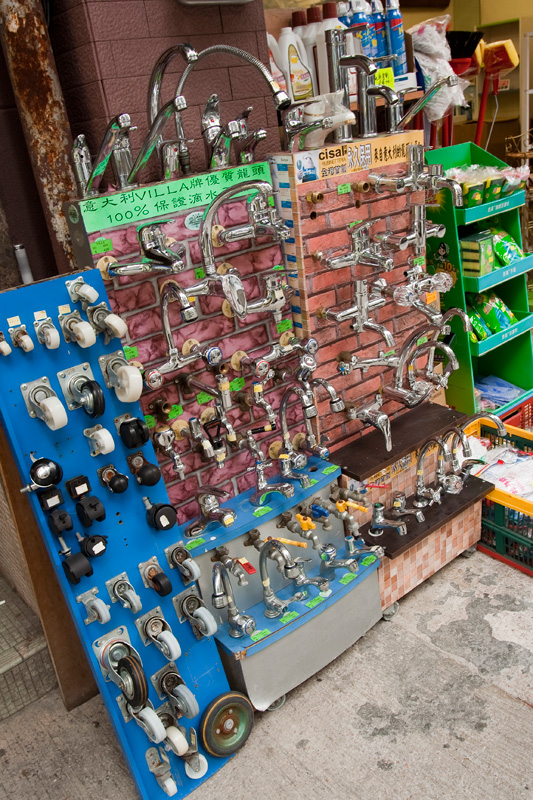
Thumbnail: Sundries
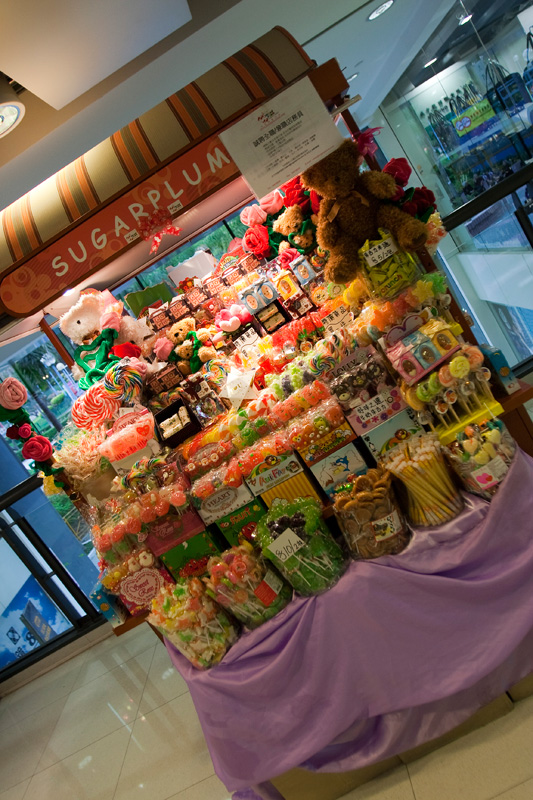
Thumbnail: Candy stand
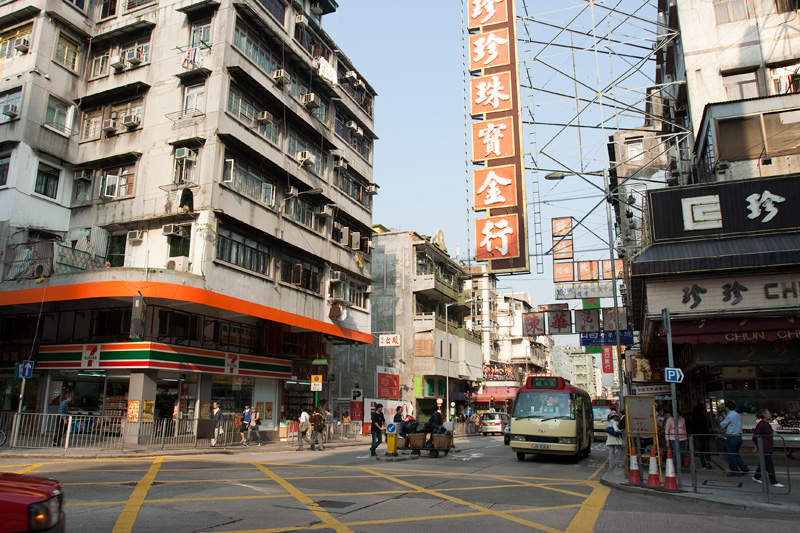
Thumbnail: Crossing street
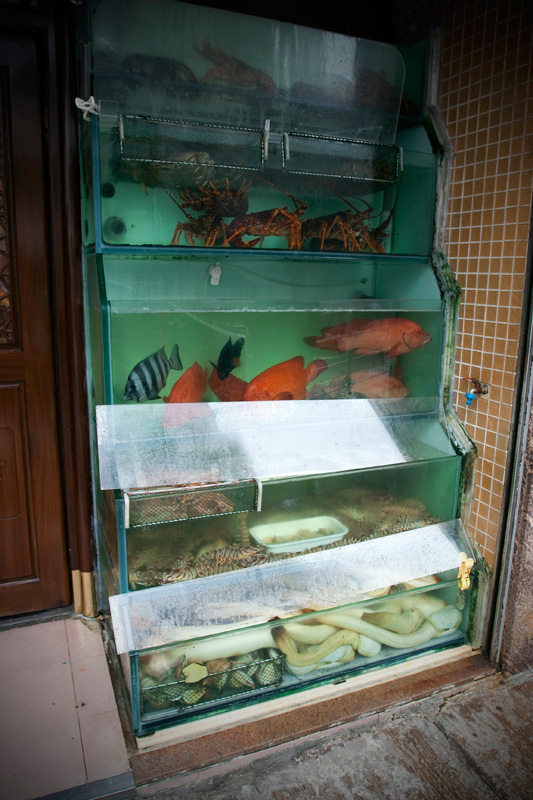
Thumbnail: Fresh seafood
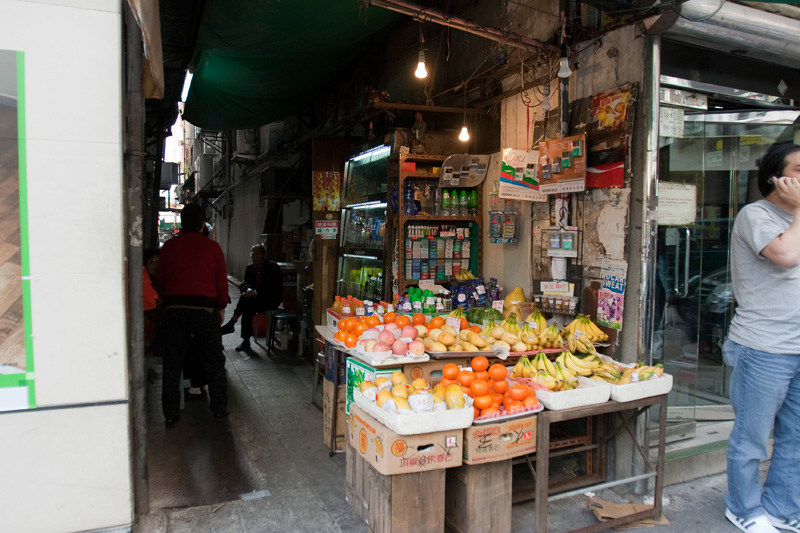
Thumbnail: Fruit stand
Thumbnail: Old buildings
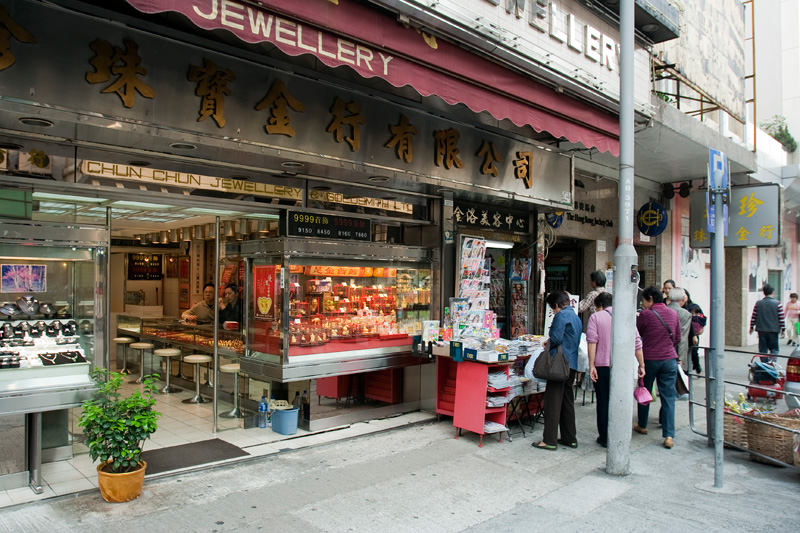
Thumbnail: Jewellery store
Thumbnail: Magazine stand
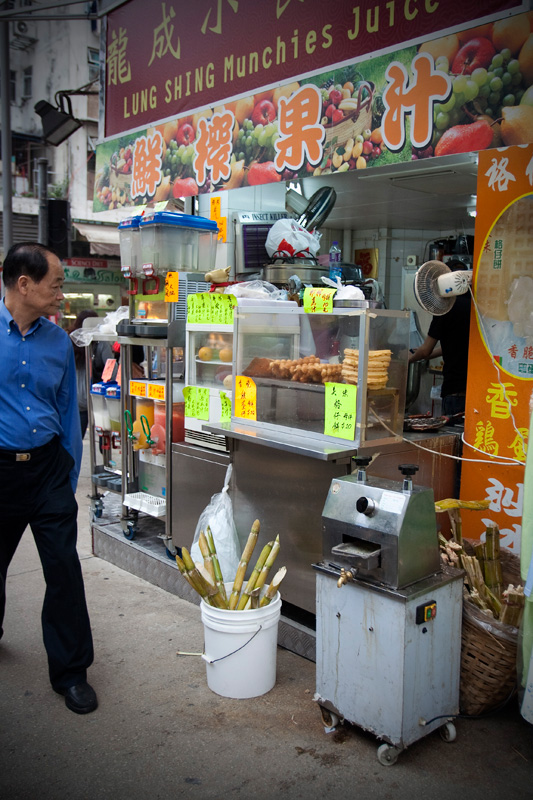
Thumbnail: Munchies stand
Thumbnail: Old apartments
Thumbnail: One way street
Thumbnail: Street corner
Thumbnail: Subway route
Thumbnail: Alleyway
Thumbnail: Sundries shop
Thumbnail: Traffic
Thumbnail: Waiting at light
 

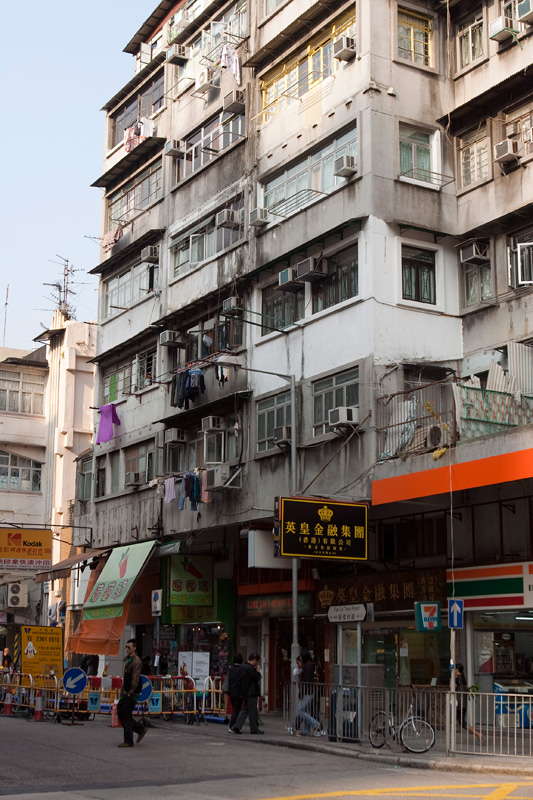
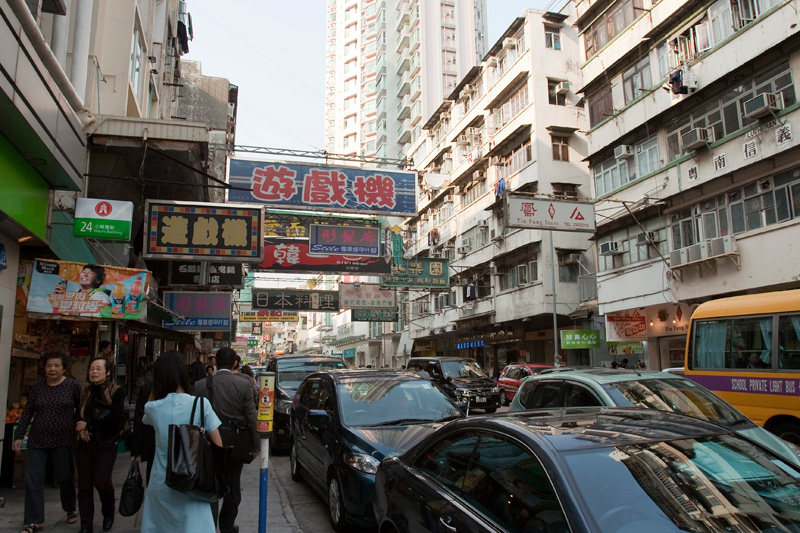
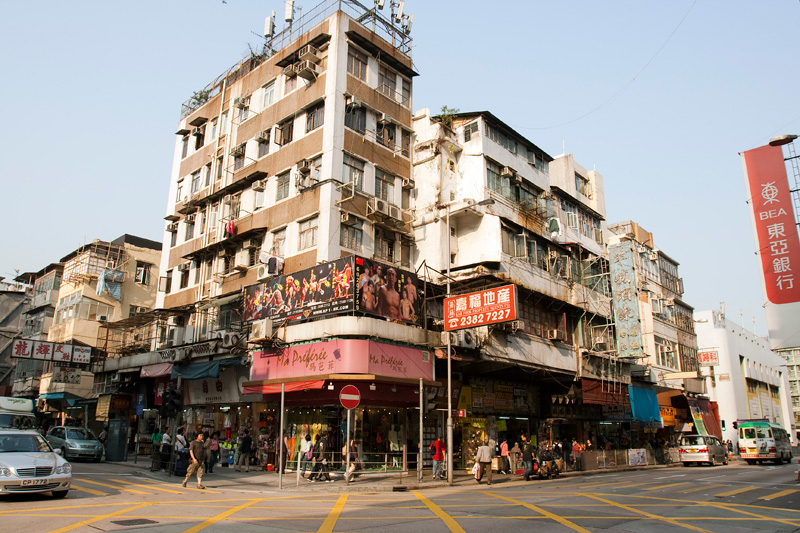
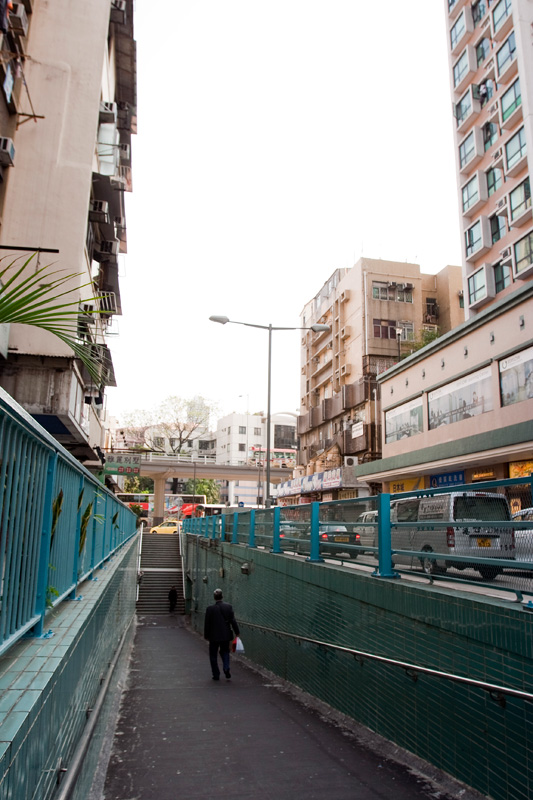
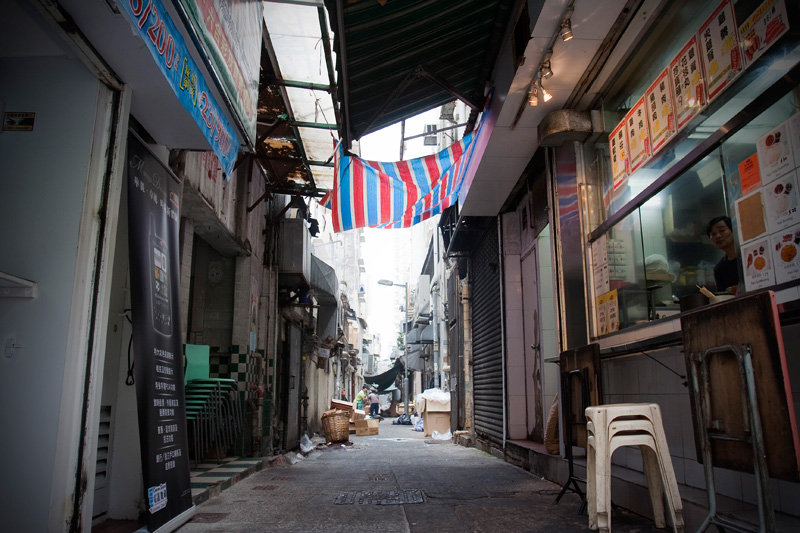
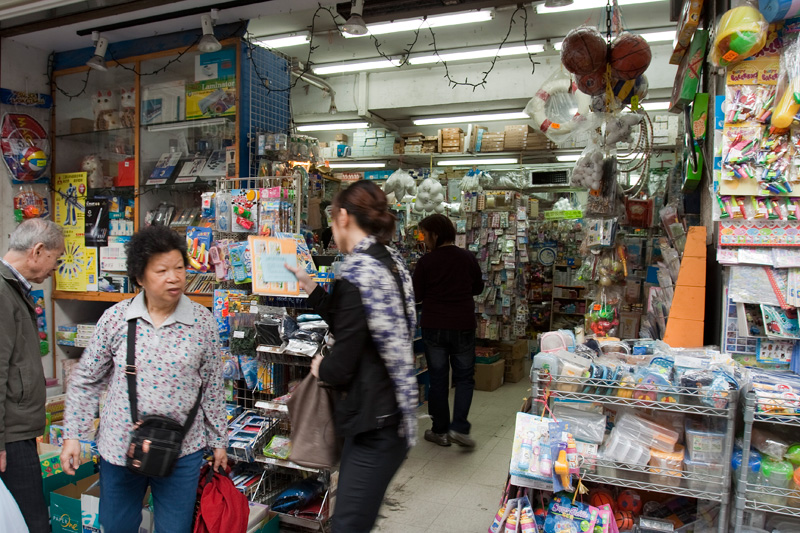
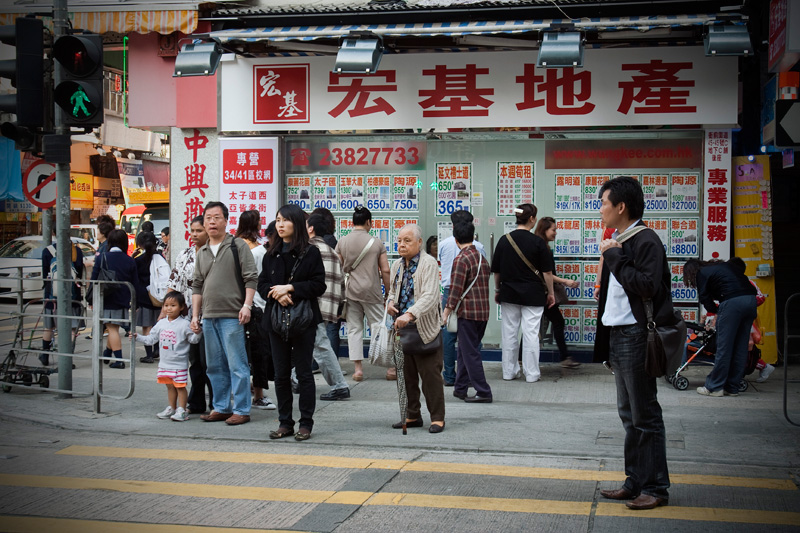
My grand­ma’s apart­ment is in Kowloon City, a very old area of Kowloon, char­ac­ter­ized by dirty build­ings and slum­my areas. There’s so much char­ac­ter here. It seems like every shop has a sto­ry, and every street a his­to­ry. My dad told me that since it’s so hard to find park­ing, some restau­rants have a valet park your car for you if you go in.

Since it’s a long-estab­lished area, there’s pret­ty much every­thing you need with­in a cou­ple blocks, or a few min­utes walk. This includes:

  • fruit stands
  • car deal­er­ship
  • restau­rants of many eth­nic­i­ties
  • Chinese med­i­cine shops
  • snack and pas­try shops
  • a toy shop
  • a mod­ern shop­ping mall
  • butch­ers
  • a famous park
  • a shop­ping mall
  • elec­tron­ics and appli­ance stores
  • mag­a­zine stands
  • gro­cery stores
  • den­tist
  • scrap met­al stores
  • cof­fin shop
  • tire shop

One of Hong Kong’s famous real estate agents said that liv­ing in such high den­si­ty is a habit, and that Hong Kongers could expand out­ward (instead of upward) if they want­ed to. I can under­stand why this is true, because every­thing is so close and con­ve­nient. When you live in the mid­dle of all this, you real­ly feel like you’re part of the city’s pulse.

Octopus Card

Octopus card

Everyone car­ries an Octopus card in Hong Kong, because it’s used every­where. When you take the bus, you pay the fare by tap­ping your wal­let (with Octopus card in it) on the scan­ner; the fare may change depend­ing on whether you take it before or after cross­ing the har­bour. Subway fares aren’t flat-rate either, so short­er routes are cheap­er. The dis­tance you trav­el is tracked by scan­ning your card when you get on and again when you get off, and the appro­pri­ate amount is deduct­ed.

Even vend­ing machines, park­ing meters, con­ve­nience stores, and restau­rants have Octopus scan­ners used to pay for their ser­vices. It’s also used as an iden­ti­ty sys­tem, where stu­dents sign-in to class by tap­ping their cards on door scan­ners, or res­i­dents enter their apart­ment build­ings with­out need­ing a key.

The Chinese name for the card is “eight arrived pass”, because eight has spe­cial mean­ing in Chinese, espe­cial­ly when it comes to direc­tions. The English name comes from an octo­pus hav­ing eight ten­ta­cles, and the logo is an infin­i­ty sym­bol that’s also in the shape of an eight. So clever.

Grandma and Her Parrot

Grandma loves her par­rot. We car­ry it around for her, and she sleeps with it on her bed­side table. Whenever she talks to it, I can nev­er real­ly tell if she real­ly is talk­ing to her par­rot in an act of senil­i­ty, or whether she does it to humour us.

A note on the trans­la­tion: The name “Fat Bird” is real­ly “Fat Woman Parrot” in Chinese. The word “par­rot” is a homonym for the last part of grand­ma’s name, so “Fat Woman Parrot” sounds like it’s refer­ring to her as well. That’s how she got her nick­name as “Fat Woman”.

This is grand­ma on a good day. I love to see her smile and laugh.