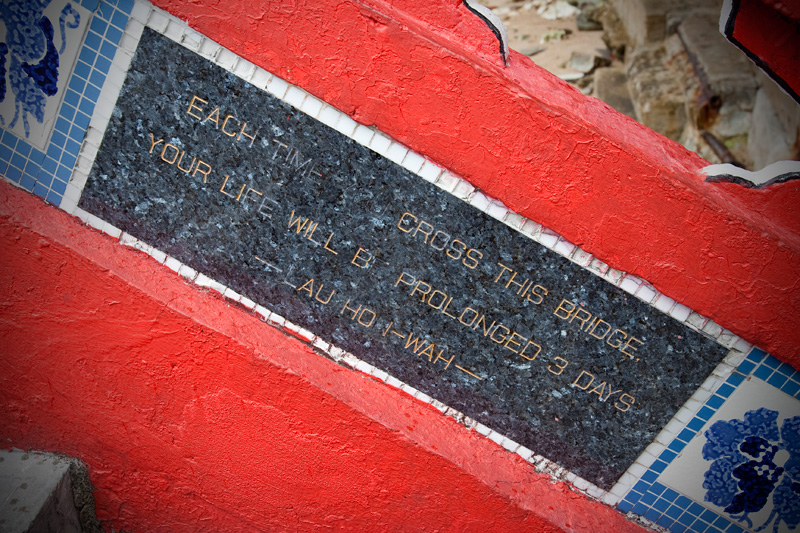
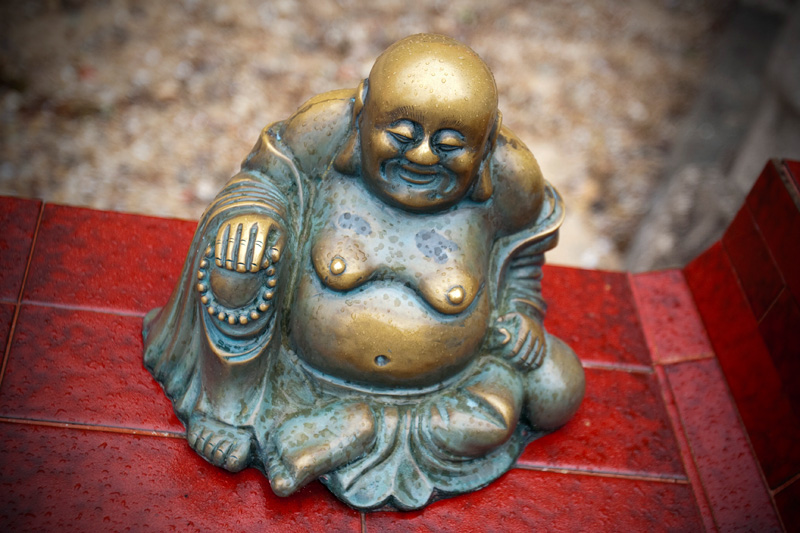
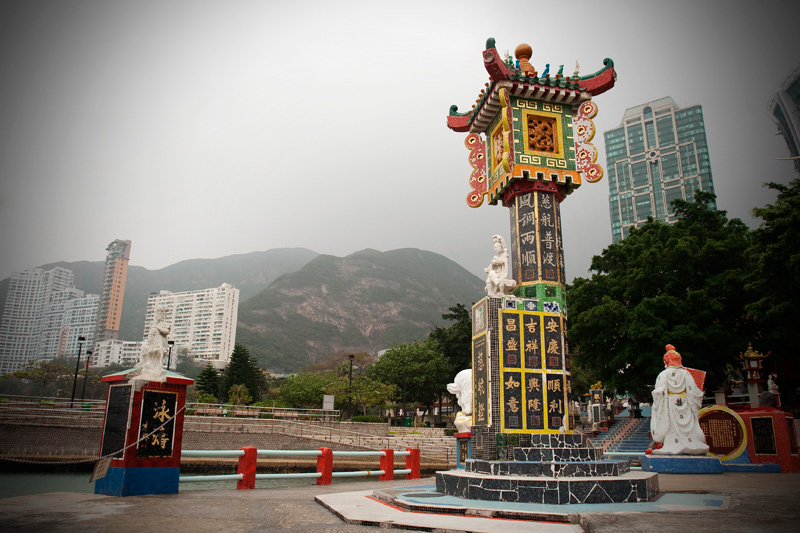
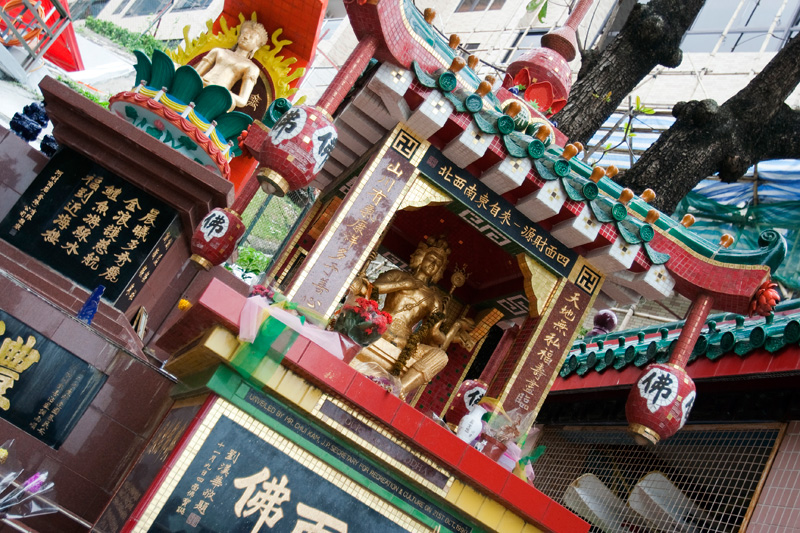
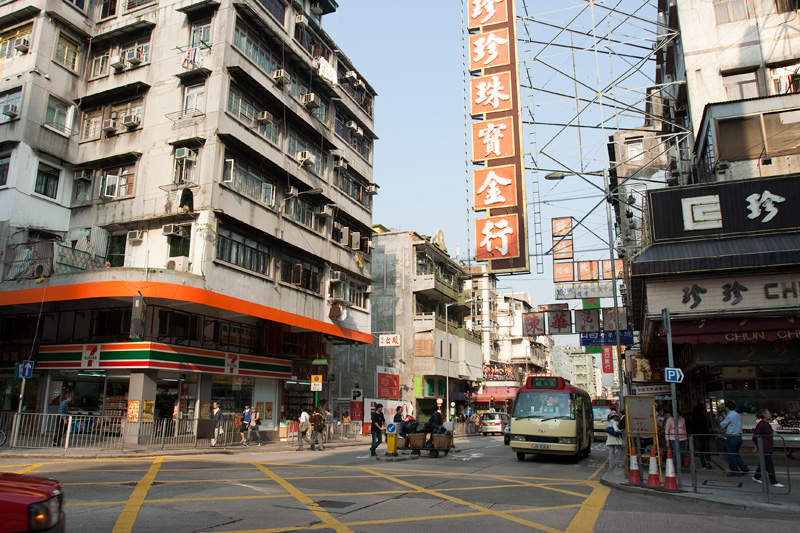
A look at the worlds largest bronze Buddha located in Hong Kong. It’s perched at the top of a mountain range, and can be seen from extremely far away. As one drives up to the mountain, the outline is visible against the sky from an hour away. It’s an amazing piece of construction; the inside is hollow, where people can set up longevity tablets, and there are three floors of Buddhist murals. Some of the best feng shui in Hong Kong is in that area.
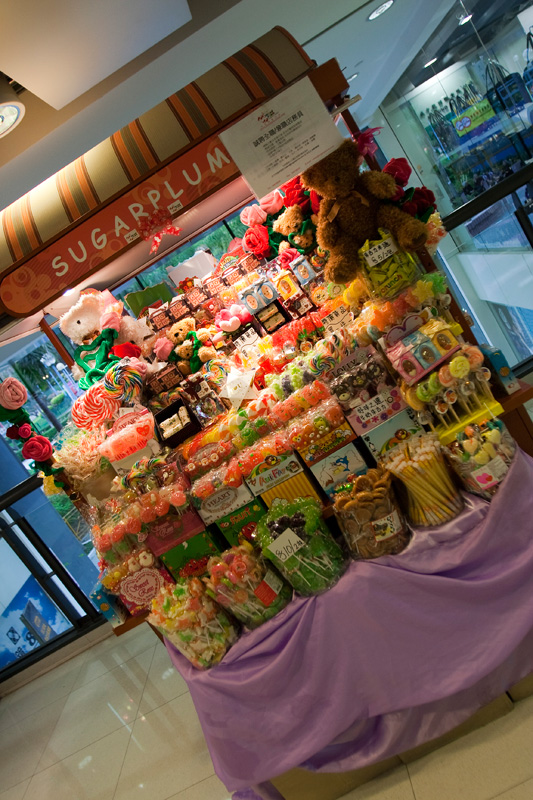
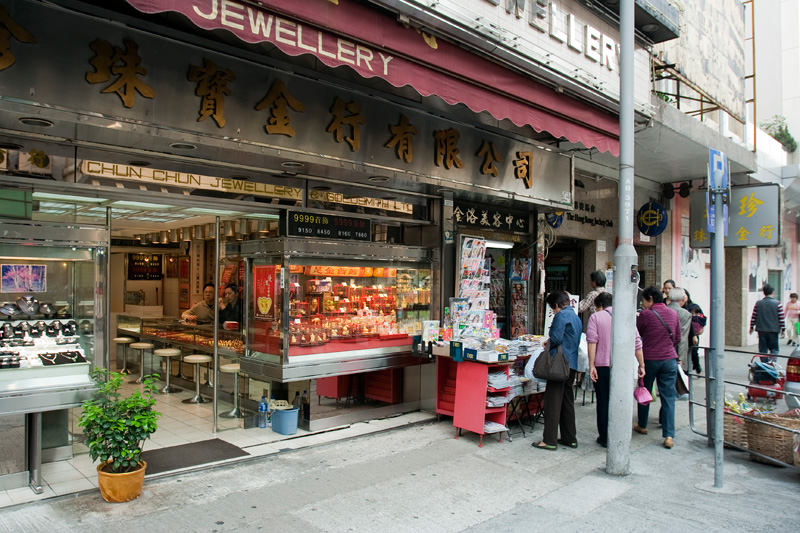
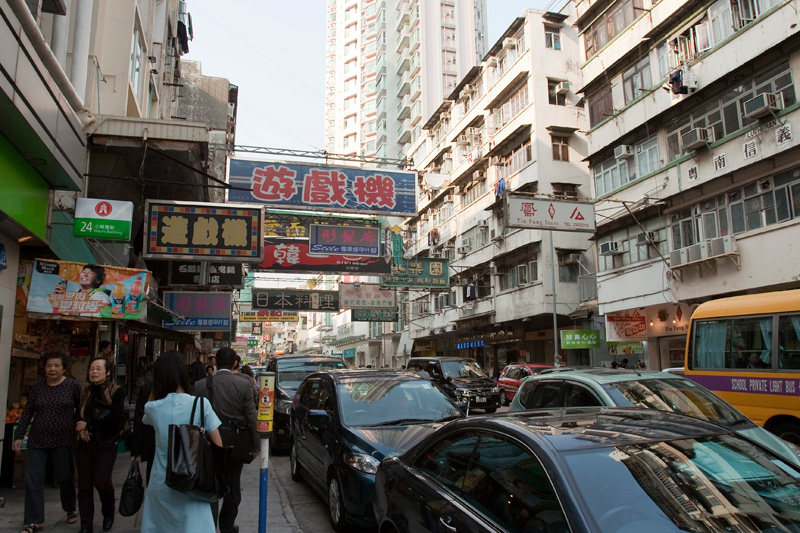
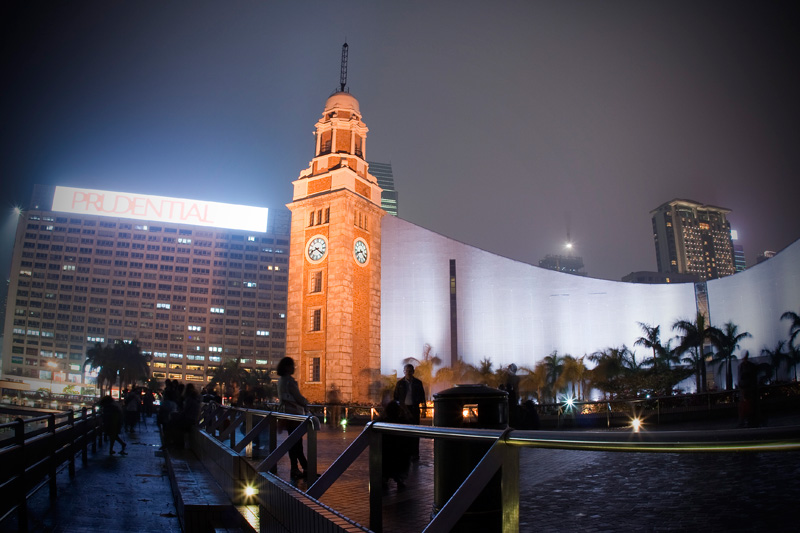
This is where every store has a set of Christmas lights, thousands of sparks dangling from the awnings. This is where the subway is packed with people, all wearing their party clothes, trying to meet up with their friends and family. Where the cross harbour buildings have gigantic, moving pictures on their sides, created from intricately set lights and timers. Where there’s euphoria in the air and shopping bags in hand. This is where the jewellery store guards have traded in their berets for santa hats.
This is Christmas in Hong Kong.
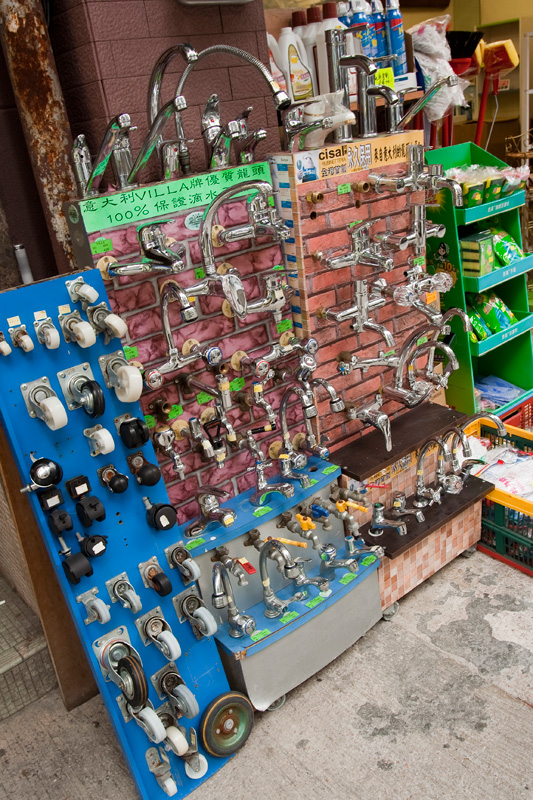
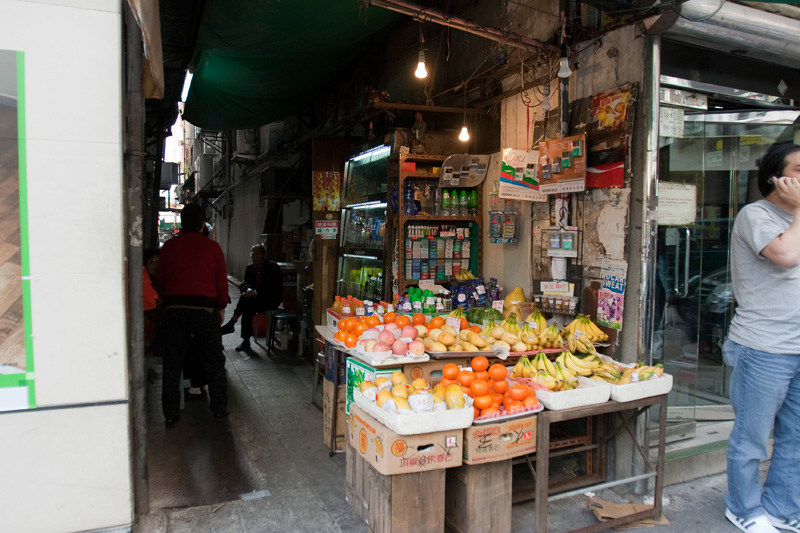
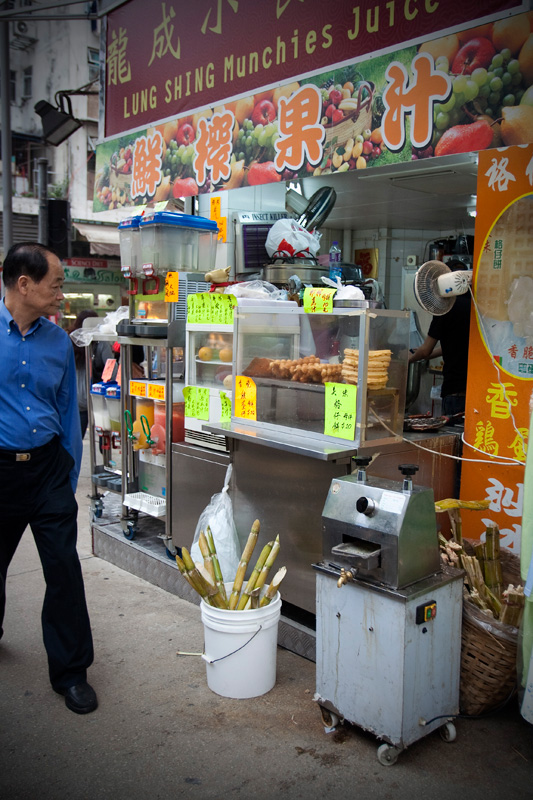
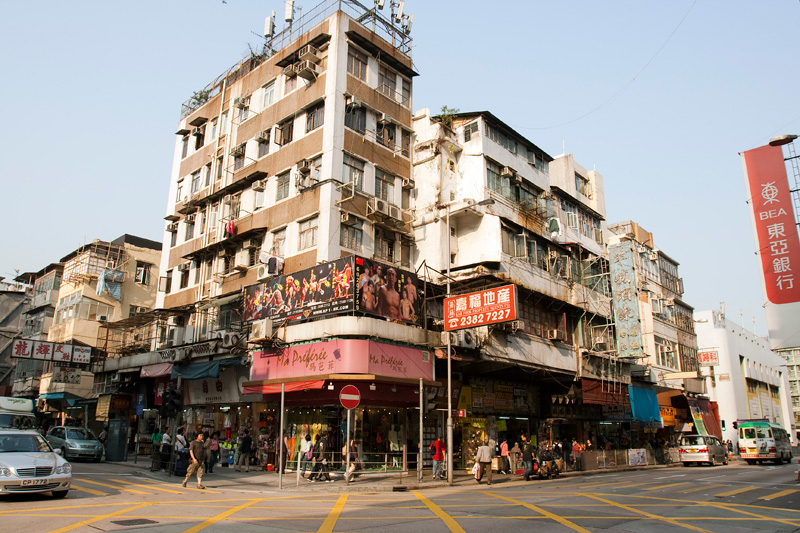
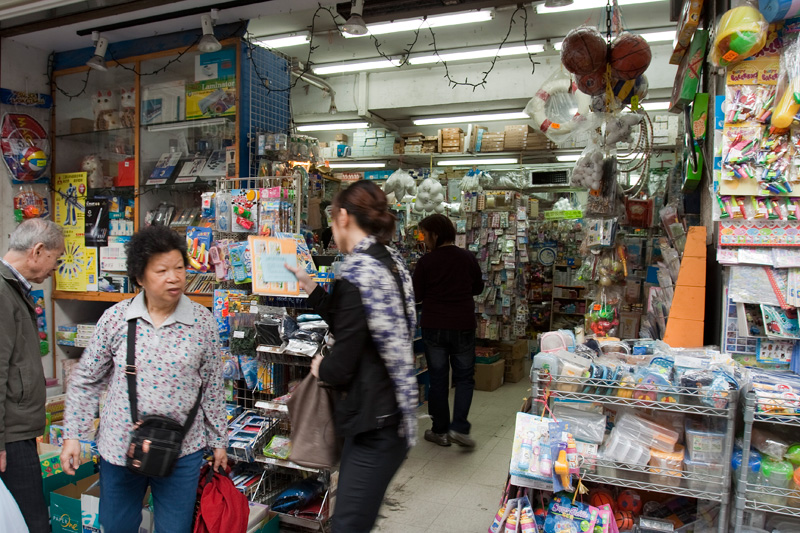
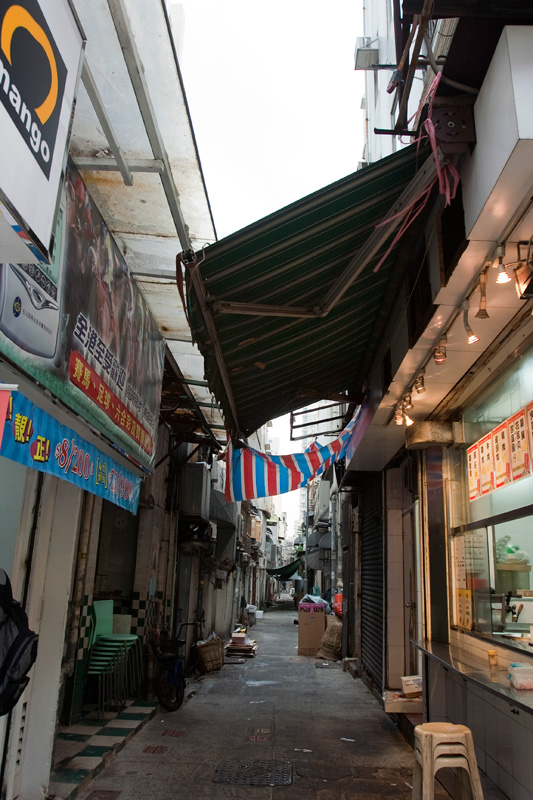
Bargaining (translated literally as “speak price”) is common at the smaller shops in Hong Kong. Prices are marked up actually, because the proprietors know that people will try to bargain. I’m not very good at it myself, since I’m not confident enough in my Cantonese. Lots of my family members are known to be extremely good bargainers, each with their own unique style.
My dad is the “friendly” bargainer, where he’ll try to get on the good side of the person trying to sell him things. He’ll say that he’s been giving the store good business for years, and that he’ll get his friends to shop there as well if he can get a discount. One time he even got the price lowered on a computer he was about to purchase.
My mother is the “bluff” bargainer. She’ll make a good guess as to how much an item cost the retailer to purchase (with her lifetime of shopping expertise), and ask for a little more than that price. The retailer, barely making any money from such a price, will no doubt ask for something much higher. My mom might budge a little, but not enough to make the retailer happy, so she’ll start to walk away with an air of indifference on her face (after all, this is Hong Kong, and if one can’t get something for a low price at one store, one can walk two steps and have another shot at it). The retailer will often chase her out to the street, and agree to her price.
My grandmother was known as the “old person with no job” bargainer. She could stay inside a store for more than half an hour, just trying to get someone to agree to her price. She would analyze all the variables in an item, such as the make, quality, durability, colour, necessity, etc. Then she would try to convince the retailer that it’s only worth so much based on each variable, and stand rock solid on this price. Eventually, the store owner would be so fed up with the everything that he or she would usually agree just to get her out of the store.
One day I’m going to be the “dairy” bargainer, and known as the person who tries to get discounts by offering ice-cream and a cow.
I had the chance to visit the crematorium where the ashes of my maternal grandparents are stored. On looking out to one of the hills in the cemetery, one can see that it’s literally covered with graves. Burial is being replaced by cremation nowadays, due to the lengthy procedure and high cost of maintaining a grave. People have begun to accept cremation more and more as a dignified way to be preserved. My grandparents share the same tablet, which has golden lettering and is very respectable.
When I was young, I looked up to my grandfather the most. He was the smartest person I knew, and taught me lots of little odds and ends. He was born and raised in China, and entered one of the few universities there after high school. Being able to attend university was quite an accomplishment back then, and he only had one year left before the civil war broke out. He joined the ill-fated Nationalist side, where he would have had a chance at being a commissioned officer had there not been a need for English speaking Chinese people. He spoke English fluently, so he was used as a translator for the British troops. He was shot in the arm once, which he recovered from, and fled to Hong Kong to avoid prosecution when the war was over. There he met and married my grandmother, who was born and raised in Hong Kong, fled to Viet Nam during the Japanese invasion, but came back to Hong Kong once it was over. My grandfather assumed a career as a meteorologist, and my grandmother became a housewife to three daughters and one son. They both lived long in Hong Kong until they passed away.